
French Pottery from mid 16th till the end of the 19th century - Poterie français du 16ème jusqu’à la fin du 19ème siècle.
- Lyon 16th - Metropolitan Museum NY
-
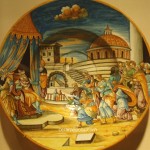
- Lyon 16th - Metropolitan Museum NY
-
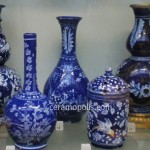
- Nevers 17th - V&A Museum UK
-
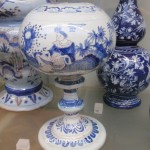
- Nevers 17th - V&A Museum UK
-
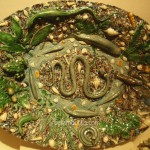
- Palissy 16th - Metropolitan Museum NY
-
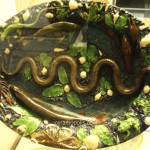
- Palissy 16th - British Museum UK
-
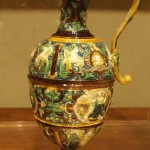
- Palissy 16th - Metropolitan Museum NY
-
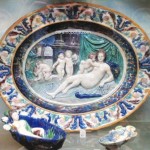
- Palissy 16th - V&A Museum UK
-
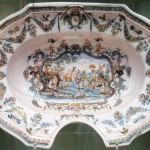
- Moustiers 18th - V&A Museum UK
-
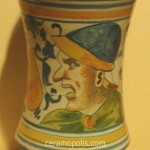
- Rouen 16th - Metropolitan Museum NY
-
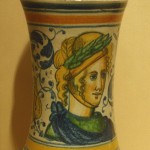
- Rouen 16th - Metropolitan Museum NY
-
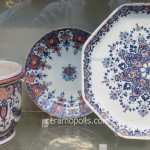
- Rouen 18th - V&A Museum UK
-
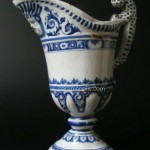
- Rouen 18th - Private Collection France
-
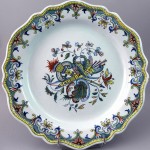
- Rouen 18th - Private Collection France
-
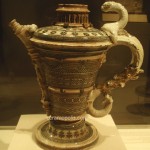
- Saint Porchaire 16th - Metropolitan Museum NY
-
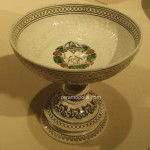
- Saint Porchaire 16th - Metropolitan Museum NY
-
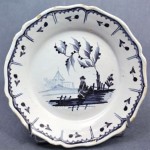
- Nevers 18th - Private Collection France
-
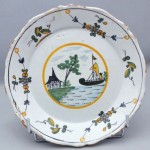
- Nevers 18th - Private Collection France
-
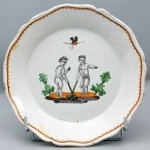
- Nevers 18th - Private Collection France
-
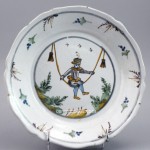
- Nevers 18th - Private Collection France
-
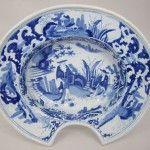
- Nevers 18th - Private Collection France
-

- Nevers 19th - Private Collection France
-
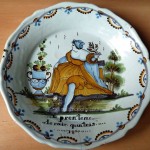
- Nevers 18th - Private Collection France
-
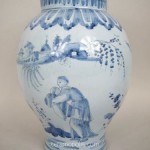
- Nevers 18th - Private Collection France
-
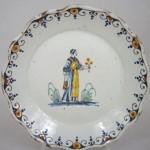
- La Rochelle 18th - Private Collection France
-
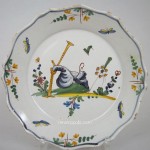
- La Rochelle 18th - Private Collection France
-
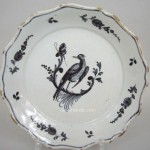
- La Rochelle 18th - Private Collection France
-
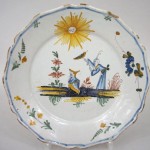
- La Rochelle 18th - Private Collection France
-
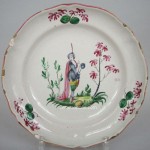
- Les Islettes 18th - Private Collection France
-
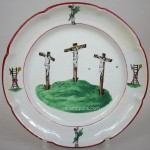
- Les Islettes 18th - Private Collection France
-
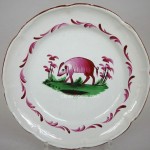
- Les Islettes 18th - Private Collection France
-
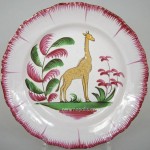
- Les Islettes 18th - Private Collection France
-
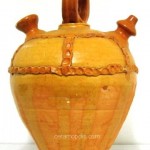
- France 19th - Private Collection France
-
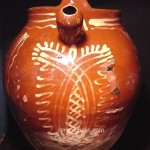
- France 19th - Private Collection France
-
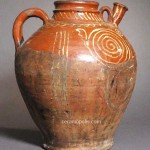
- France 19th - Private Collection France
-
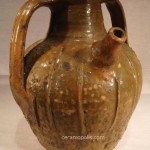
- France 19th - Private Collection France
-
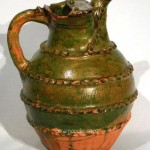
- France 19th - Private Collection France
-
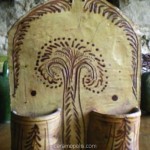
- France 19th - Private Collection France
-
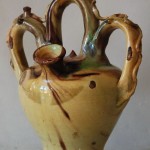
- France 19th - Private Collection France
-
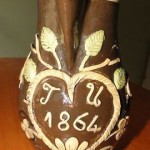
- France 19th - Private Collection France
-
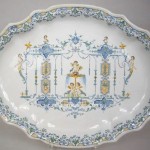
- Moustiers 18th - Private Collection France
-
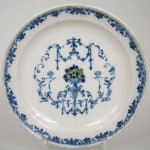
- Moustiers 18th - Private Collection France
-
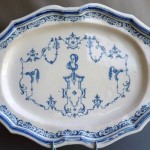
- Moustiers 18th - Private Collection France
-
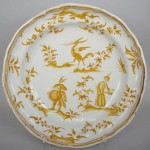
- Moustiers 18th - Private Collection France
-
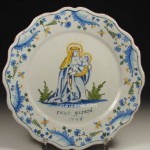
- La Rochelle 18th - Private Collection France
-
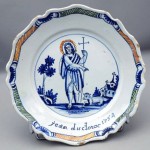
- Nevers 18th - Private Collection France
-
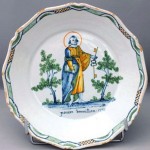
- Nevers 18th - Private Collection France
-
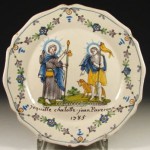
- Nevers 18th - Private Collection France
-
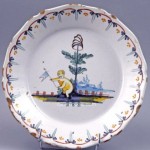
- Nevers 18th - Private Collection France
-
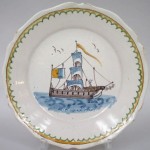
- Nevers 18th - Private Collection France
-
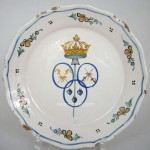
- Nevers 18th - Private Collection France
-
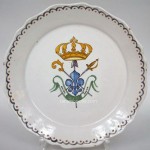
- Nevers 18th - Private Collection France
-

- France 18th - Private Collection France
-
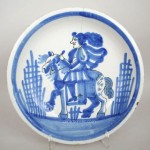
- France 18th - Private Collection France
-
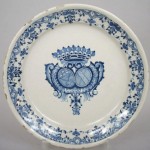
- Toulouse 18th - Private Collection France
-
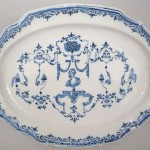
- Toulouse 18th - Private Collection France
-
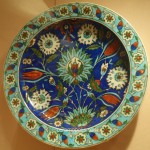
- France 19th - Private Collection France
-
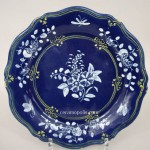
- Saint Omer 18th - Private Collection France
-
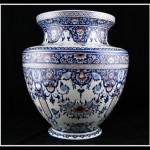
- Gien 19th - Private Collection France
-
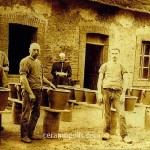
- France 20th - Private Collection France
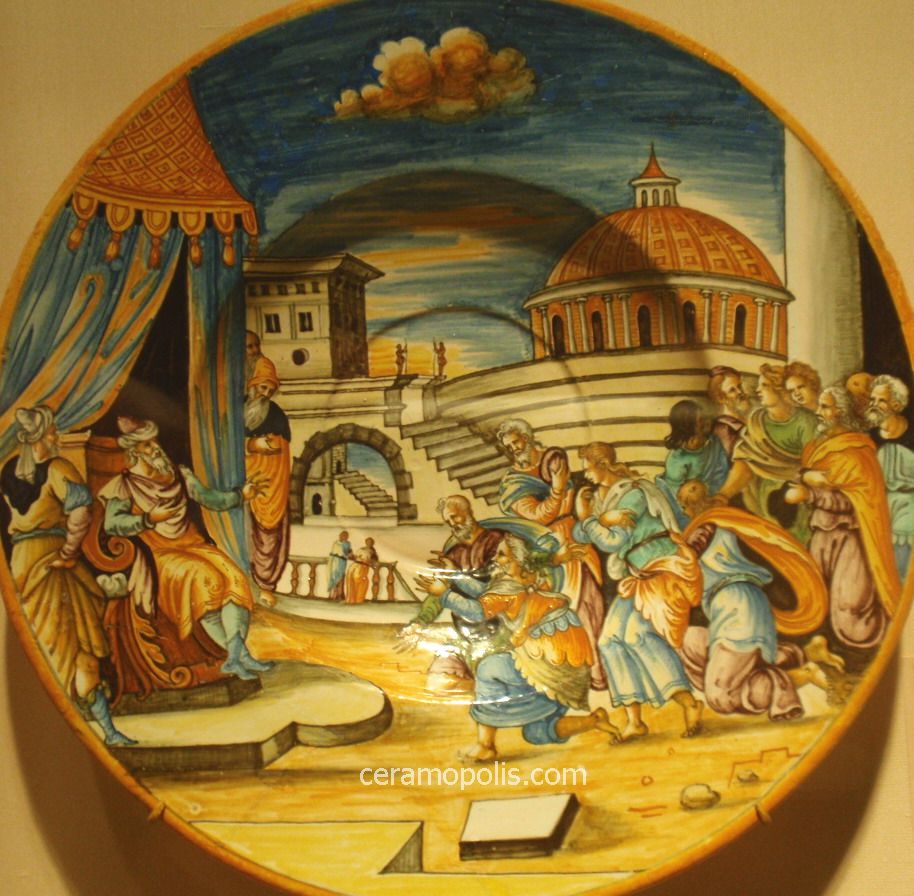
Lyon 16th - Metropolitan Museum NY
Probably one of the most important potters of the 16th century is Bernard Palissy. Born in 1510, Palissy established his pottery around 1540 at Saintes and developed a range of colored glazes, including the yellow and blue that complemented the common brown and green of the time. With a new range of colors and a totally fresh creativity he advanced a new category of ceramics called “rustiques figulines” including dishes with scenes copied from paintings and prints, or covered with fishes, shells and reptiles colored like in true nature. His style inspired potters for over a century after his death in 1590 including the Minton’s majolica by Charles Toft in the 1850’s.
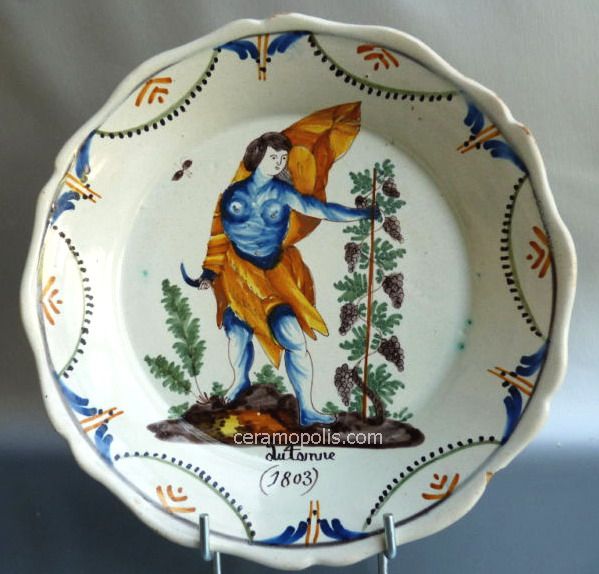
Nevers 19th - Private Collection France
Nevers was the most important of the early factories. Gambin from Faenza that was encountered a few years earlier in Lyon was the first recorded potter in Nevers. Gambin was in business with a family called Corrado, who obtained the ‘privilege’ from Henri IV to produce ceramics in Nevers exclusively for 30 years. Nevers ceramics were heavily influenced from Italian styles and Italian potters. The ‘Istoriato’, ‘Compendiario’ and ‘Berrettino’ style are obvious in Nevers pottery of the late 16th and early 17th century. Nevers was the leading pottery center in France in the 17th century. Potters were influenced from Chinese Blue and White porcelain, Delft faiences and other European styles. Oriental ideas were also used for decoration, on a purely abstract basis (decoration “a la palette”).
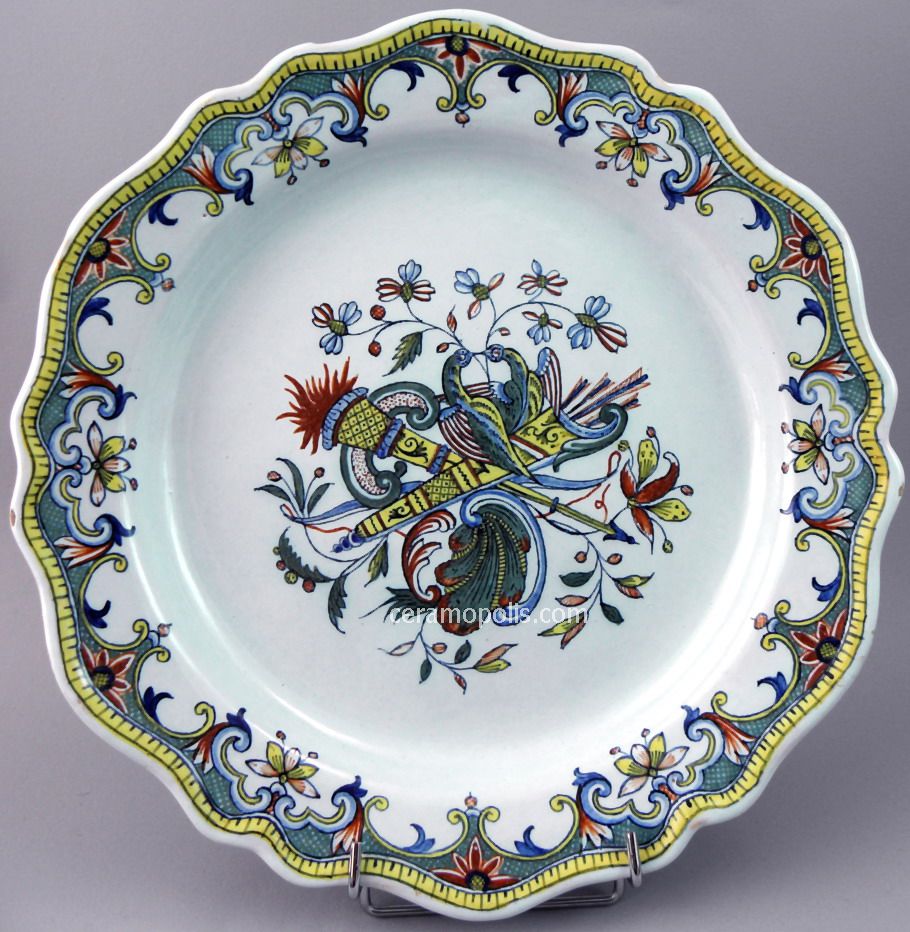
Rouen 18th - Private Collection France
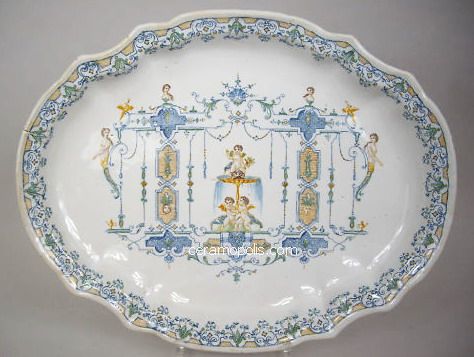
Moustiers 18th - Private Collection France
In Marseilles the production of faiences started by members of the same Clerissy family that we saw at Moustiers. The manufactory of the Clerissy family was the leading producer of ceramics throughout the 1st half of the 18th century. Faiences of Marseilles suffered greatly from both porcelain manufactures and the spread of creamware from England and France itself and did not survive the revolution.
In NE France, the influence from Germany for French potters is very strong. In Strasburg the key family at the early 18th century is the Hannongs, where Charles-Francois Hannong set up a pottery to produce blue and white wares. In 1732 he handed his business to his two sons Paul-Antoine and Balthazar that became the leading producers till 1779 that the factory closed. Hannongs produced fine figures including Italian comedy subjects, important figures of the time, animals and other themes influenced from the Meissen manufactory.
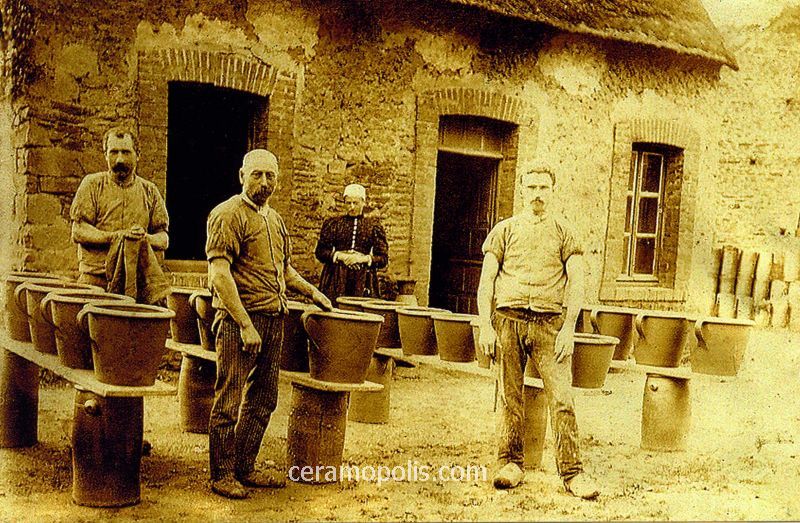
France 20th - Private Collection France
The history of Quimper pottery begins in 1708 by Pierre Bousquet that established the first pottery in the area. Pierre’s production included many religious and decorative items, utilitarian bottles and tableware (known as grès in French), ceramic pipes for smoking tobacco, and other faiences. At the end of the 19th century, Pierre Bousquet’s manufactory was the most important to the area, well known as HB (from Hubaudiere-Bousquet, the names of the descendants). Other factories in the area (founded by former employees of the HB) are the Porquier factory and the Henriot factory (both established at the end of the 18th century).
Bibliography
1. European Pottery, Hugo Morley-Fletcher and Roger Mcilroy (Phaidon – Christie’s Ltd, 1984)
2. European Ceramics, Robin Hildyard (V&A Museum Publishing, 2009)
2. The Metropolitan Museum NY – Web Site
3. Wikipedia, the free encyclopedia
4. AntiquesJournal.com – Web Site