
-
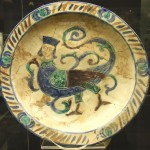
- Iran 13th - British Museum UK
-
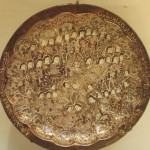
- Iran 12th - Metropolitan Museum NY
-
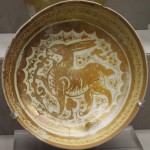
- Egypt 11th - Benaki Islamic Museum Greece
-
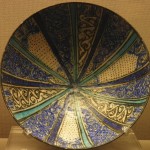
- Iran 14th - Benaki Islamic Museum Greece
-
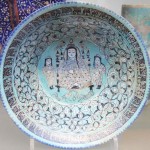
- Iran (Minai) 13th - V&A Museum UK
-
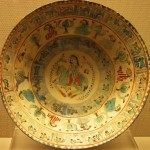
- Iran (Minai) 13th - Benaki Islamic Museum Greece
-
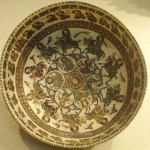
- Iran 13th - Metropolitan Museum NY
-
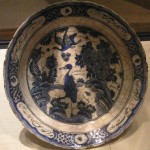
- Iran 13th - Museum of Oriental Art Italy
-
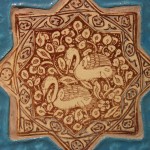
- Iran 13th - Benaki Islamic Museum Greece
-
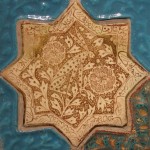
- Iran 13th - Benaki Islamic Museum Greece
-
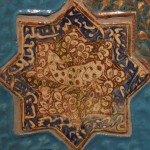
- Iran 13th - Benaki Islamic Museum Greece
-
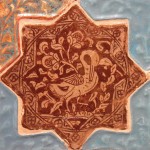
- Iran 13th - Benaki Islamic Museum Greece
-
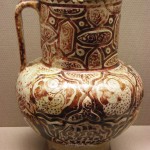
- Iran 13th - Benaki Islamic Museum Greece
-
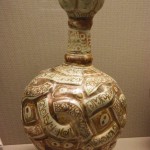
- Iran 13th - Benaki Islamic Museum Greece
-
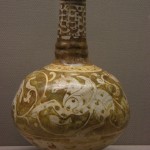
- Iran 13th - Benaki Islamic Museum Greece
-
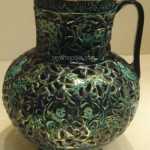
- Iran 13th - Metropolitan Museum NY
-
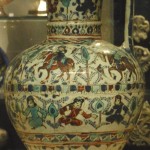
- Iran 13th - V&A Museum UK
-
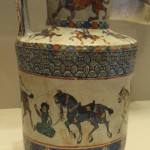
- Iran 13th - Pergamon Museum of Islamic Art Berlin
-
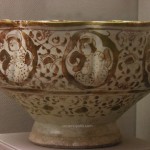
- Iran 13th - Benaki Islamic Museum Greece
-
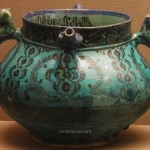
- Iran 13th - Benaki Islamic Museum Greece
-
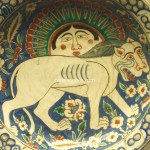
- Iznik 16th - British Museum
-
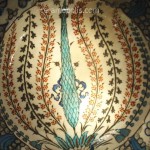
- Iznik 16th - David Museum Denmark
-
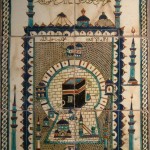
- Iznik 17th - Benaki Islamic Museum Greece
-
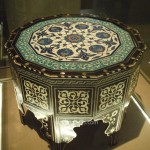
- Iznik 16th - V&A Museum
-
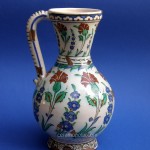
- Iznik 17th - Private Collection Athens Greece
-
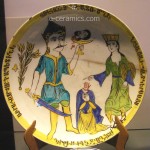
- Kutahya 18th - San Lazzaro Venice
-
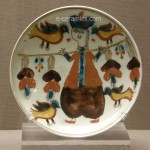
- Kutahya 18th - Benaki Islamic Museum Greece
-
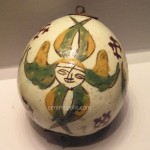
- Kutahya 18th - Private Collection Greece
-
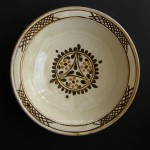
- Canakkale 18th - Private Collection Greece
-
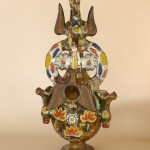
- Caakkale 19th - Private Collection Greece
-
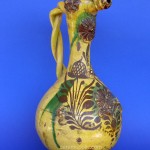
- Canakkale 19th - Private Collection Greece
-
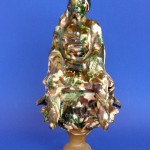
- Canakkale 19th - Private Collection Greece
Isalmic Pottery

Iran 13th - Metropolitan Museum NY
The 1st Islamic Empire was build under the leadership of Muhammad’s four companions, who ruled successively as caliphs (632-661) from Medina, and then under the Umayyad, the 1st Islamic Dynasty (661-749) who moved the capital to Damascus.
From the most important dynasties that influenced artistic trends we must mention the Almoravids (1062 – 1147), Almohads (1130 – 1269) and Nasrids (1232 – 1492) in Spain and the Maghrib region. In Egypt and Syria are the Fatimid (909 – 1169), the Ayyubids (1169 – 1260) and Mamlucks (1250 – 1517), the Seljuqs in Greater Persia (1040 – 1194) and Anatolia (1081 – 1307) and finally Mongols Ilkhanids in Iran and Iraq (1256 – 1353)
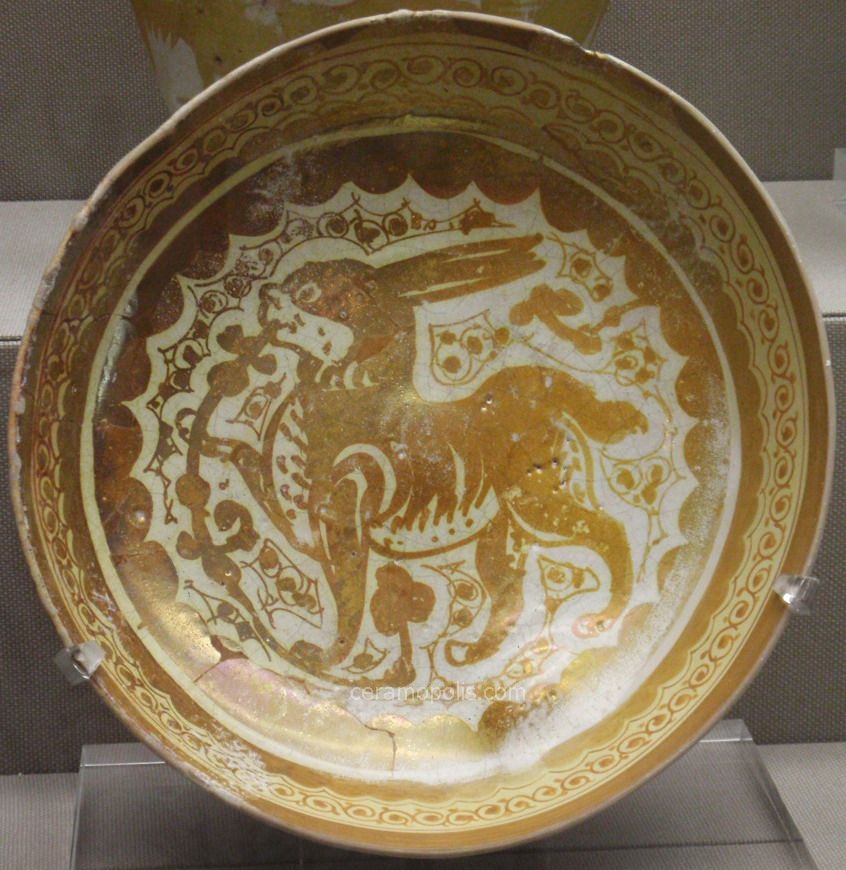
Egypt 11th - Benaki Islamic Museum Greece
In the 11th century we see a general decline in ceramic production throughout the entire Islamic world with the exception of Egypt. Potters of the Fatimid Dynasty in Egypt had been very active, producing opaque white or polychrome glazed wares. Towards the end of the 10th century, the arrival of the lustreware technique indicated a new era for the Egyptian pottery including new ways of decorating (animal & human figures). Egyptian potters through various experimentations also developed the fritware technique (a pure white fabric with many advantages that became the standard for fine quality lustre painted and incised wares).
During that period, Kashan in Iran was one of the most important ceramic centers, probably producing the finest works, using the most sophisticated techniques including lustreware, fritware and minai (a local discovery that was made only in Kashan).
A similar activity can be found in Syria with the same techniques that had arrived from Iran & Egypt. Ceramic production is assumed to have continued until mid 13th century when Syria (among others) was invaded by the Mongols. The Mongol invasion appears to have a big impact and even brought to an end production at important ceramic centers as Raqqa (near Euphrates).
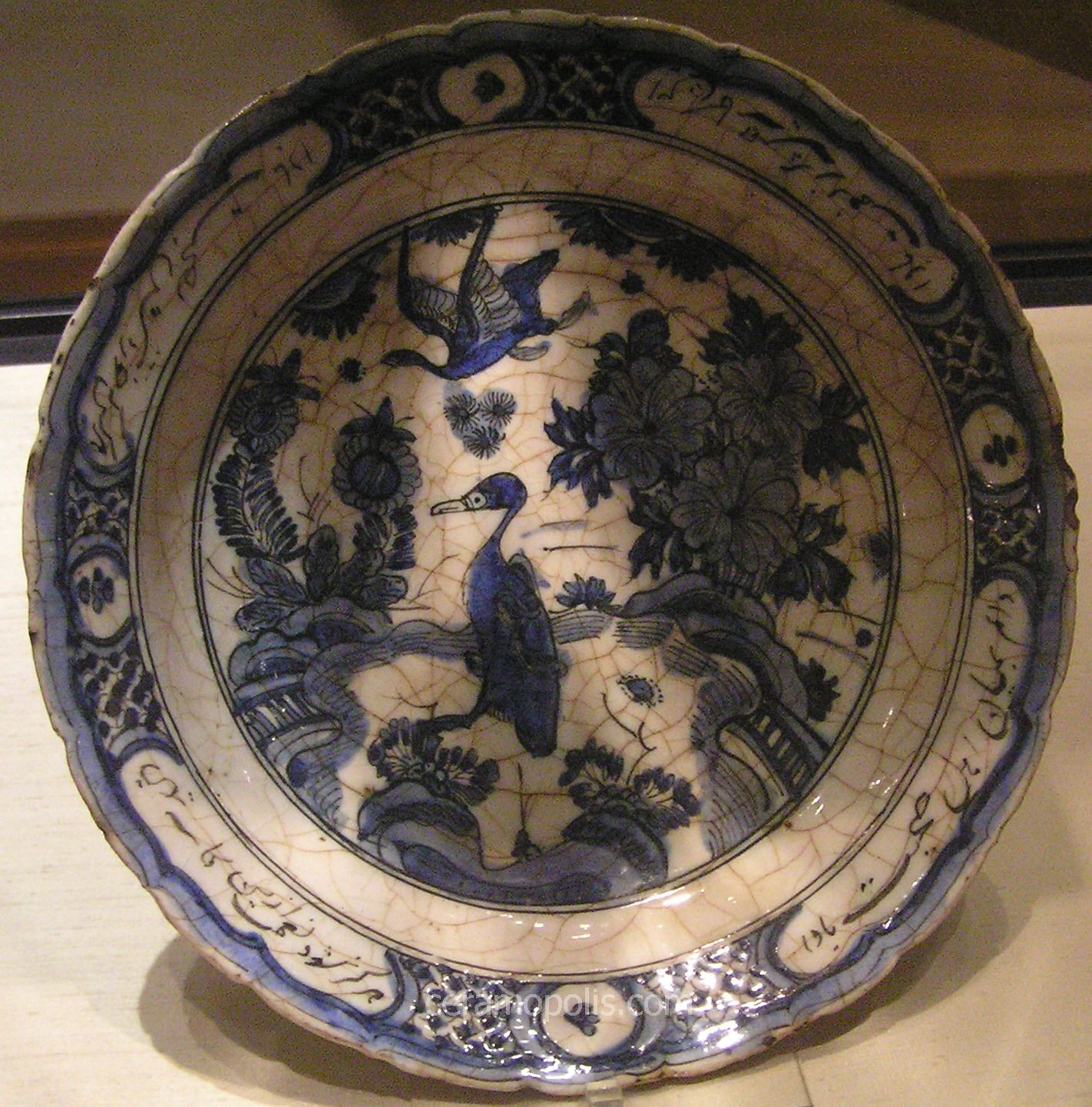
Iran 13th - Museum of Oriental Art Italy
In Turkey the first Iznik pots were made in 1480. The quality of Iznik production suggests that the market for tiles and vessels were the court and high officials. Iznik pottery came to an end at the end of the 17th century probably due to increase imports from China. In 18th c. Kutahya became an important ceramic centre of the area, producing ceramics with a unique style of decoration similar to local embroideries. Finally, from the mid 18th century, a simpler earthenware pottery in a variety of styles can be found in Canakkale (Dardanelles). It includes plates and bowls with architectural or ships designs, ewers and other ‘traditional crafts’ that were exported to Europe.
Bibliography
1. Ceramics from Islamic Lands, Kuwait National Museum, The Al-Sabah Collection, By Oliver Watson (London, Thames & Hudson, 2004)
2. Museum of Islamic Art, State Museums of Berlin, Verlag Philipp Von Zabern Mainz, 2008
3. Μουσείο Μπενάκη, Οδηγός του Μουσείου Ισλαμικής Τέχνης, 2006
4. Wikipedia, the free encyclopedia