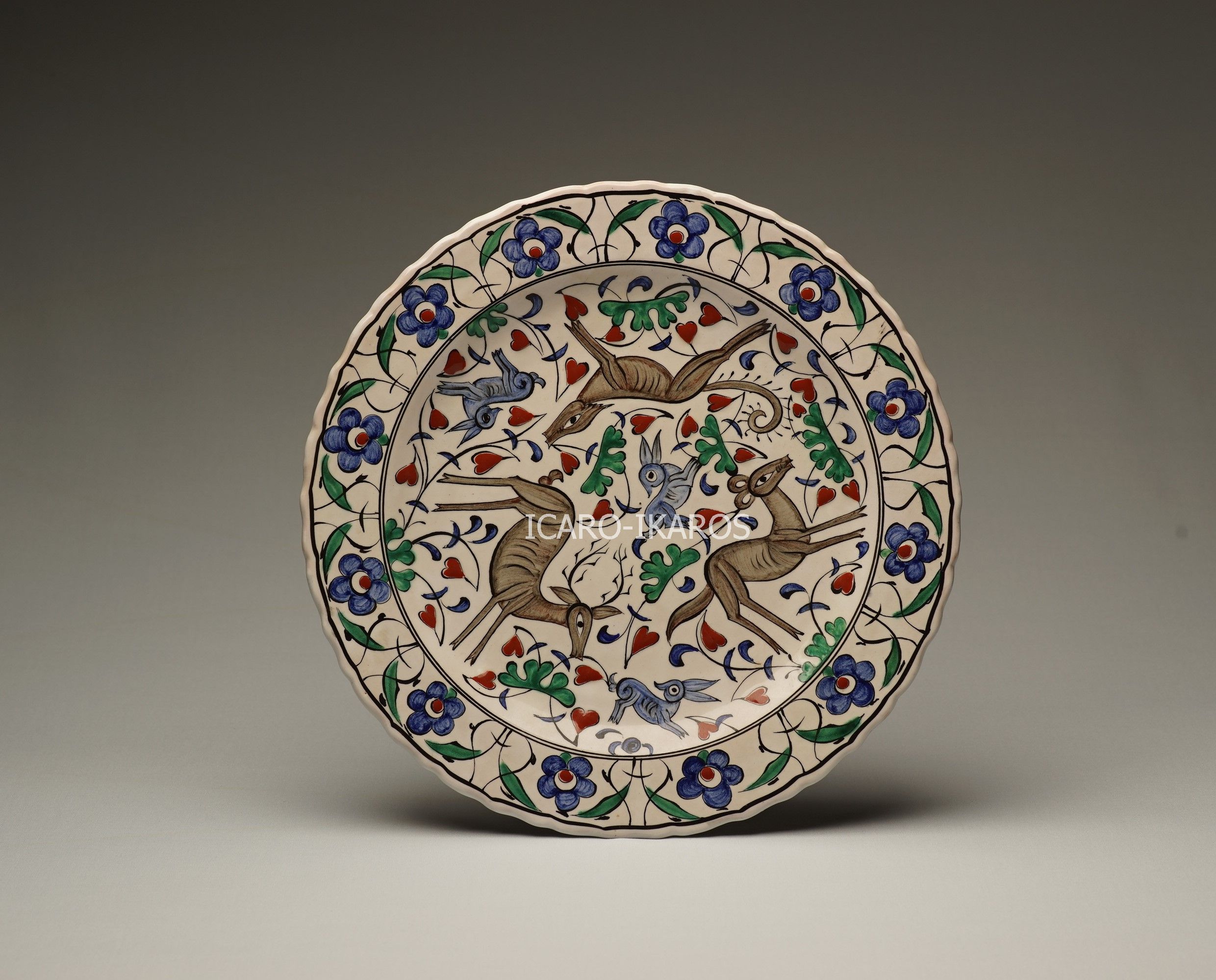
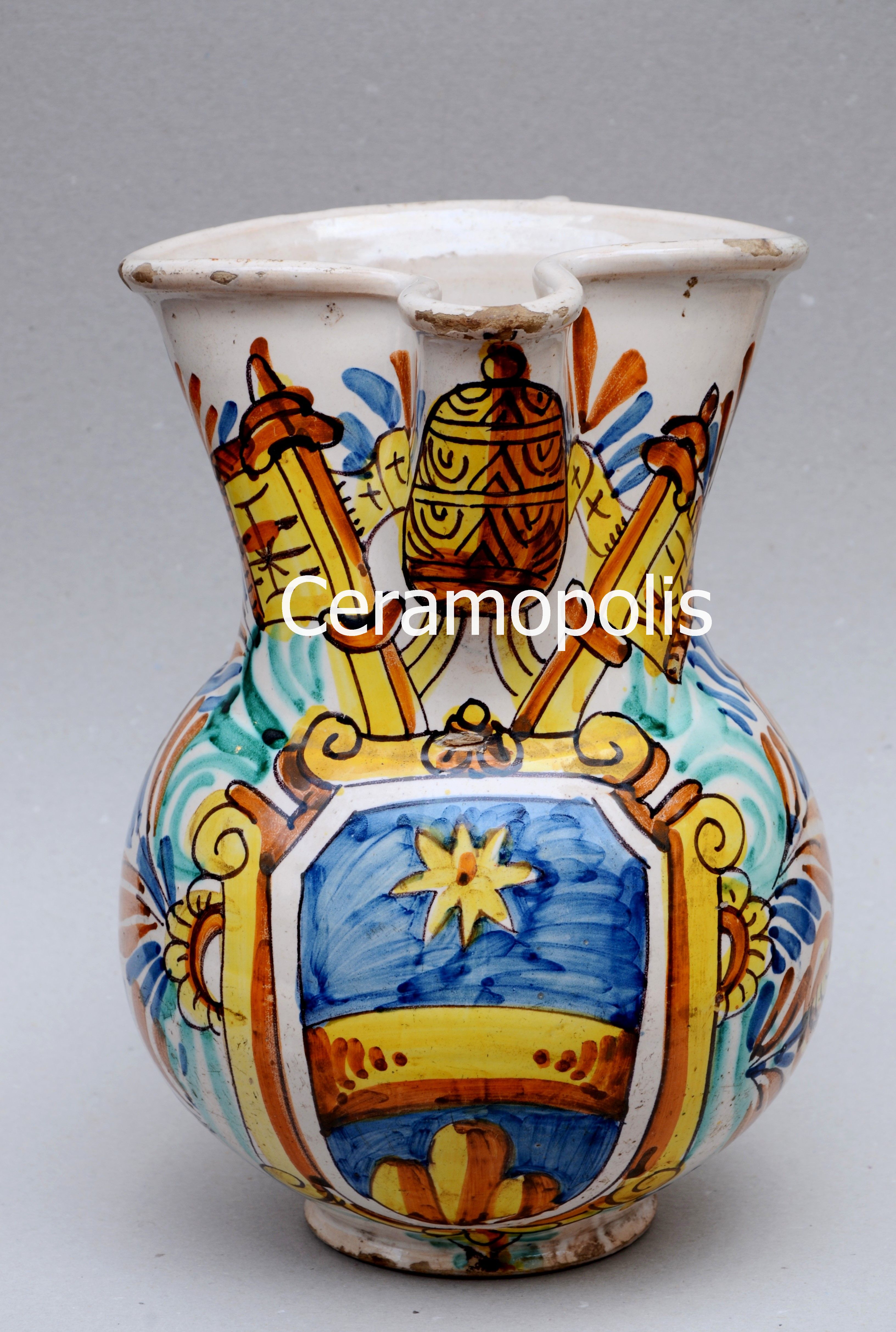
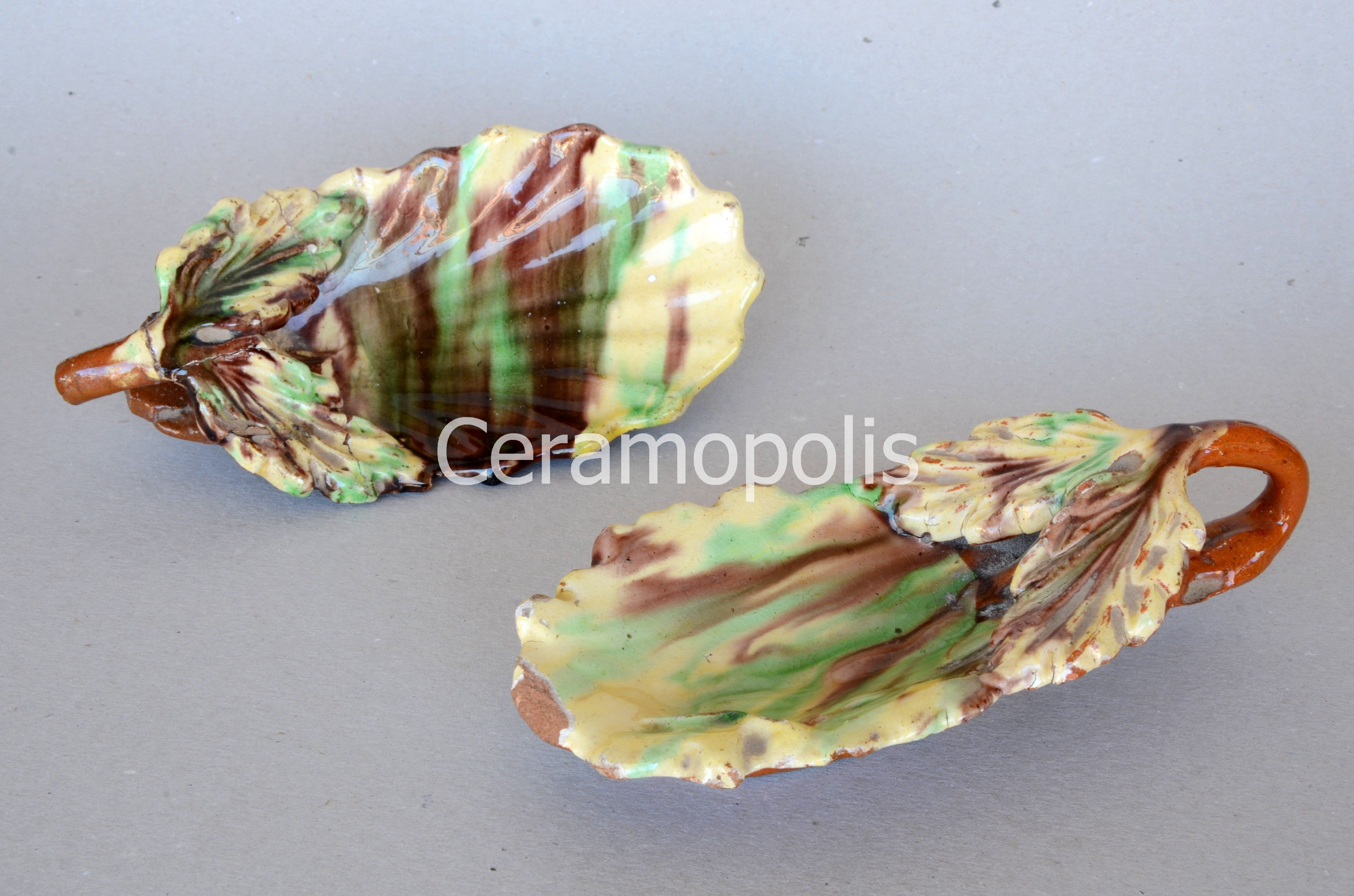
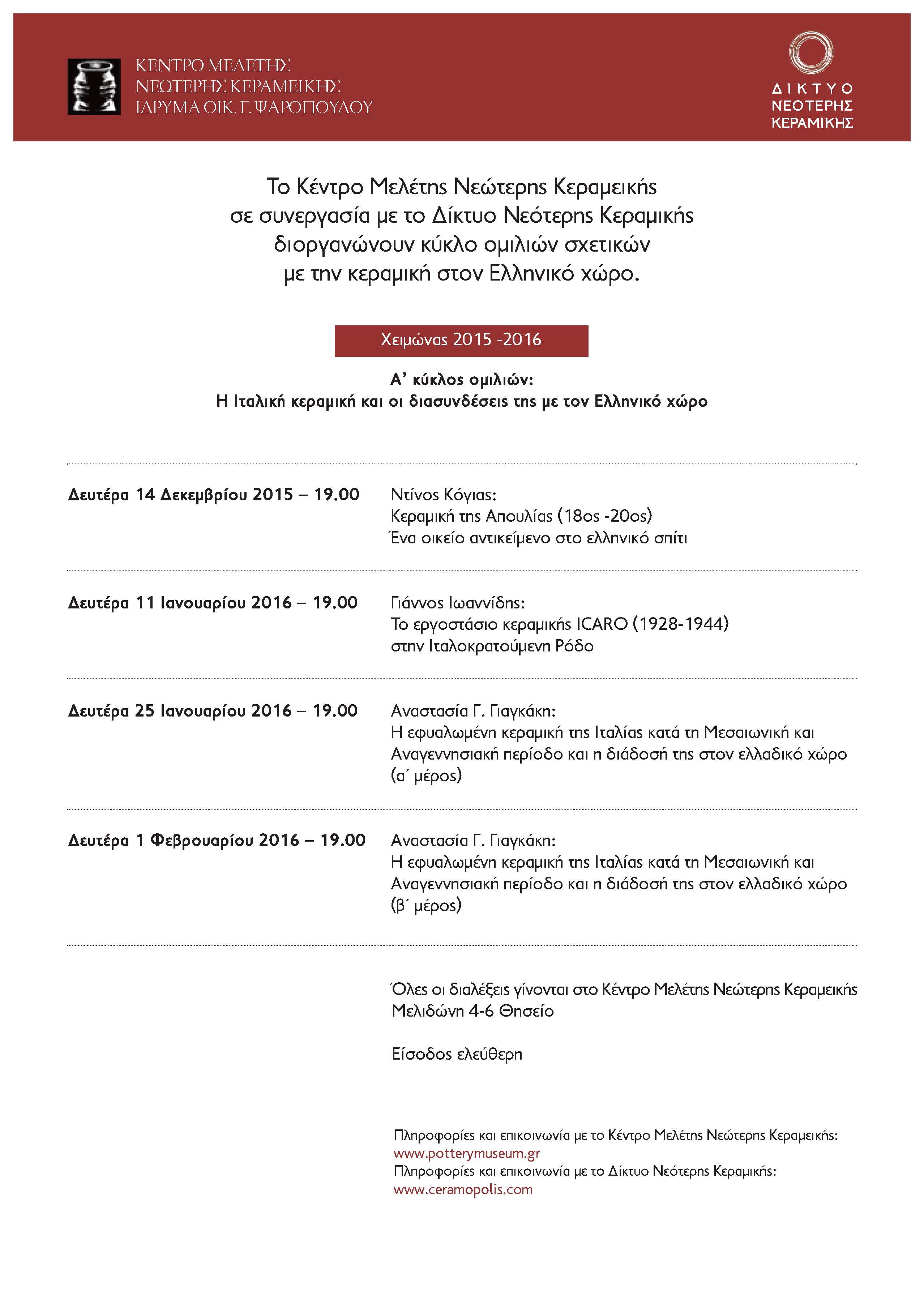
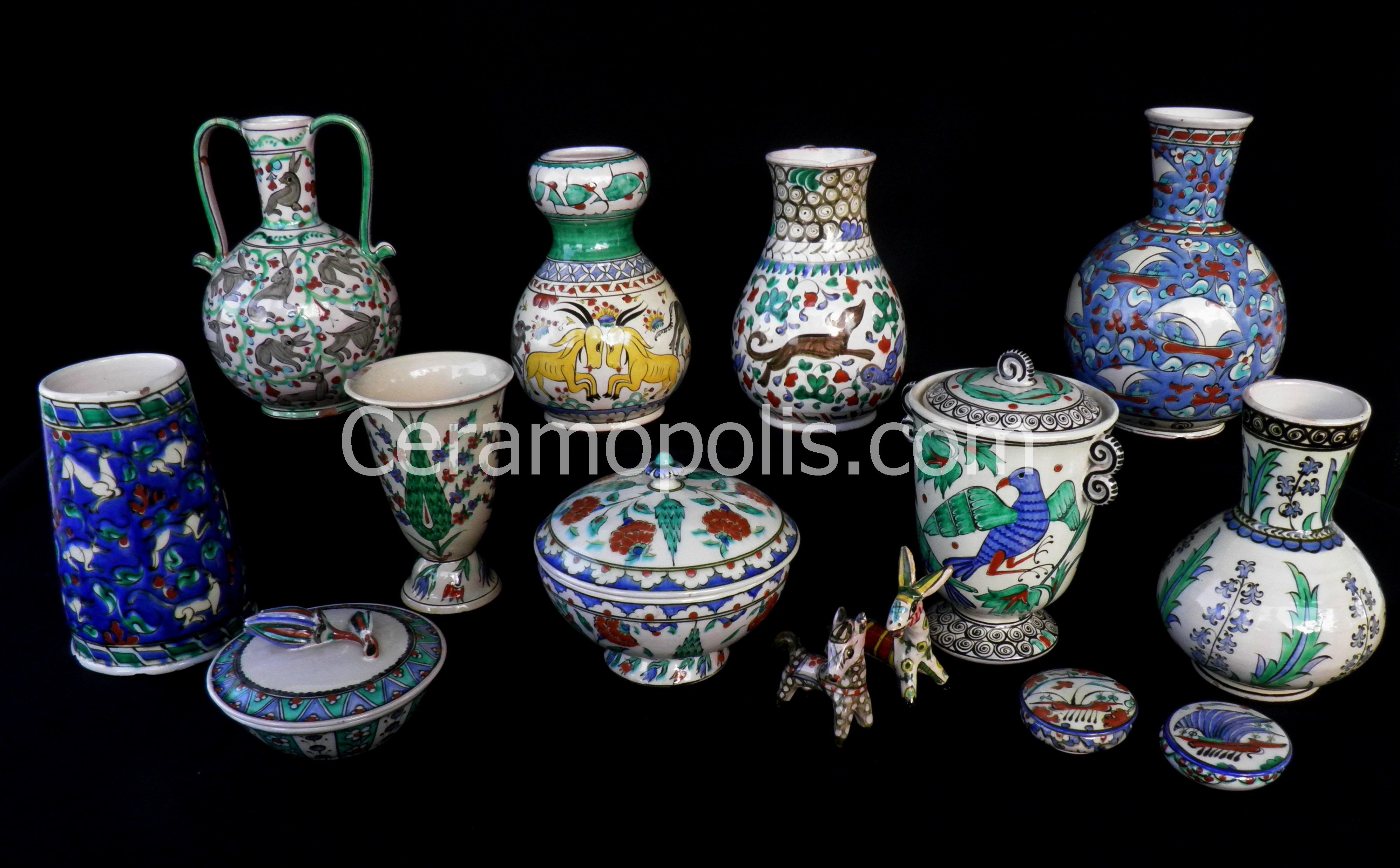
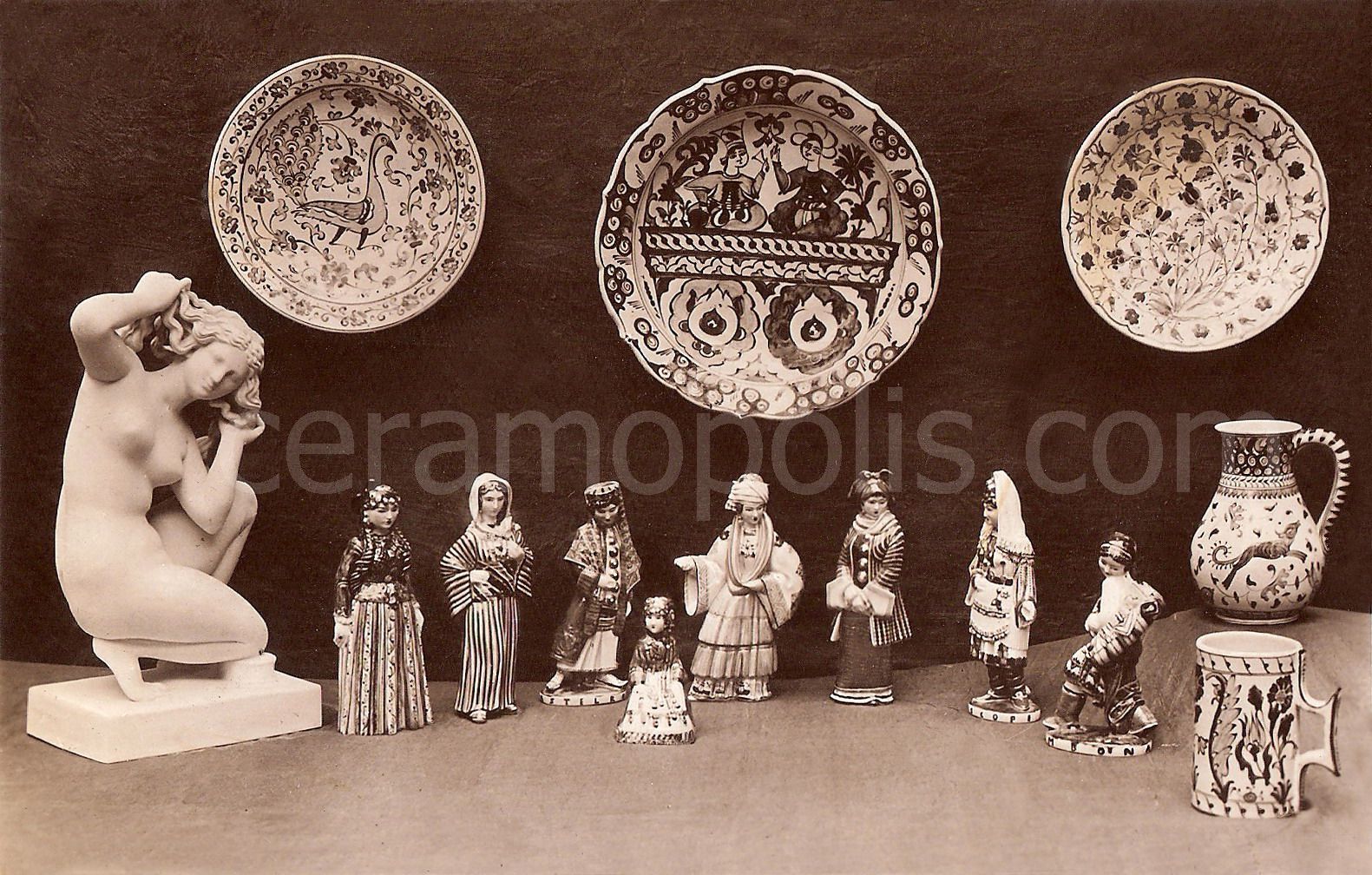
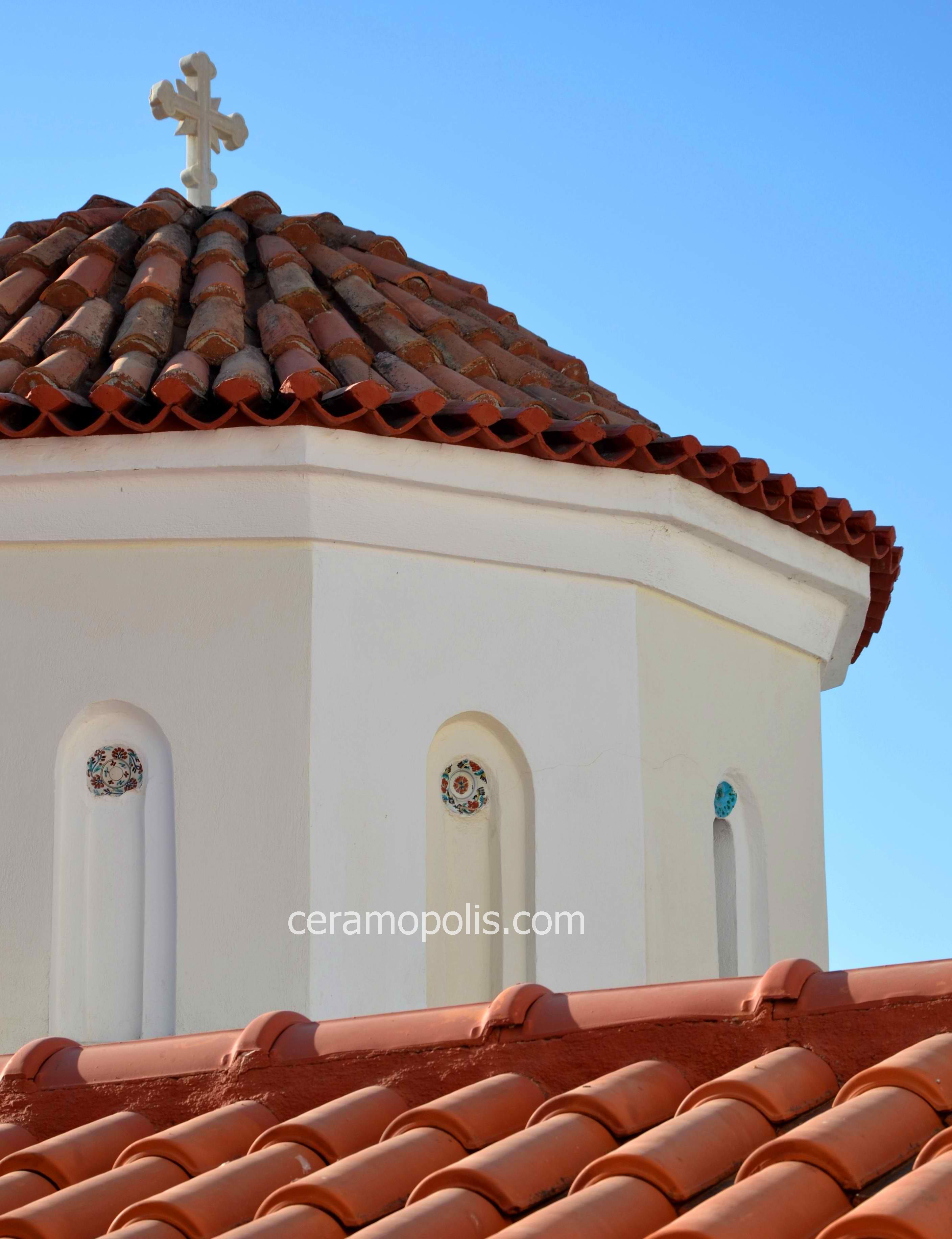
Η ιστορία του εργοστασίου ΙΚΑΡΟΣ, τόσο κατά την ιταλική όσο και κατά την ελληνική περίοδο, έχει μοναδικό ενδιαφέρον και αξίζει να συζητηθεί. Αναμένουμε …
What an interesting story, the ICARO - IKAROS story to tell. More in the next few weeks..
Η ιστορία του εργοστασίου ΙΚΑΡΟΣ, τόσο κατά την ιταλική όσο και κατά την ελληνική περίοδο, έχει μοναδικό ενδιαφέρον και αξίζει να συζητηθεί. Αναμένουμε …
What an interesting story, the ICARO - IKAROS story to tell. More in the next few weeks..
Δίκτυο Νεότερης Κεραμικής
Αθήνα, Νοέμβριος 2015
Το Δίκτυο Νεότερης Κεραμικής είναι μια πλατφόρμα έρευνας που με επίκεντρο τον ελληνικό χώρο έχει ως στόχο να μελετήσει την κεραμική στη νοτιοανατολική Μεσόγειο και την περιοχή των Βαλκανίων από τον 15ο αι. έως σήμερα. Να εντάξει την κεραμική σε ένα διεπιστημονικό πεδίο μελέτης. Να αναδείξει τον ιστορικό και κοινωνικό της ρόλο. Να ανανεώσει τον τρόπο προσέγγισης της νεώτερης κεραμικής και το λεξιλόγιο που χρησιμοποιούμε γι’ αυτή. Να επανεξετάσει και να επαναξιολογήσει την παλαιότερη σχετική έρευνα.
Το Δίκτυο διέπει η συλλογικότητα και θα επιδιώξει να συνεργαστεί με ιδιώτες και φορείς τόσο στην Ελλάδα όσο και στο εξωτερικό, να οργανώσει έρευνες πεδίου, εκδηλώσεις και εκθέσεις, να κάνει δημοσιεύσεις και παρουσιάσεις πρωτογενούς υλικού και έρευνας. Να δημιουργήσει αρχειακή βάση δεδομένων και να συγκροτήσει μια πιο διεπιστημονική βιβλιογραφία.
Ιδρυτικά μέλη του Δικτύου είναι οι : Βαγγέλης Βλάχος, Γιάννος Ιωαννίδης, Ντίνος Κόγιας, Νίκος Λιάρος και Κώστας Σκιαδάς.
Email επικοινωνίας Δικτύου Νεότερης Κεραμικής: [email protected]

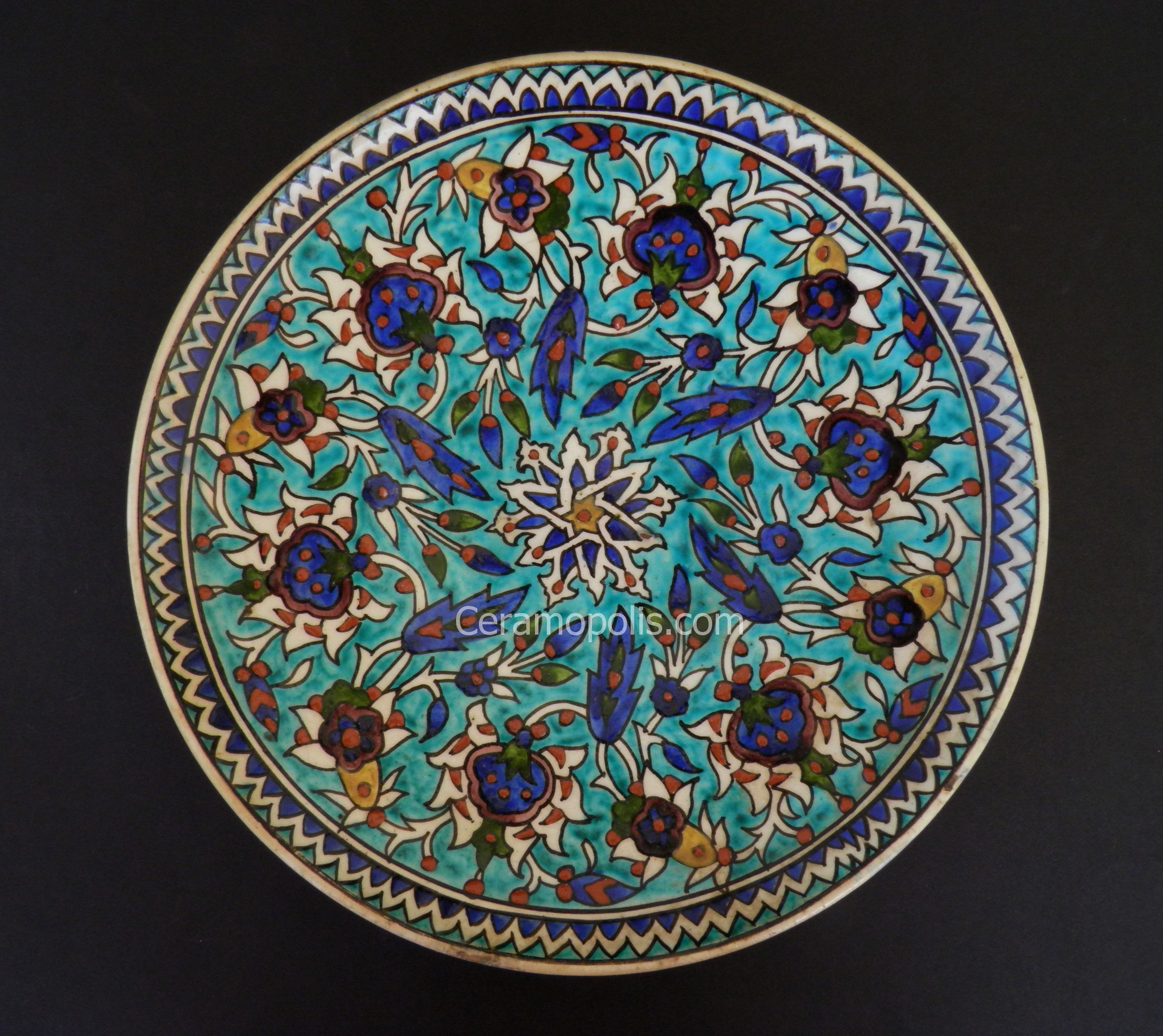
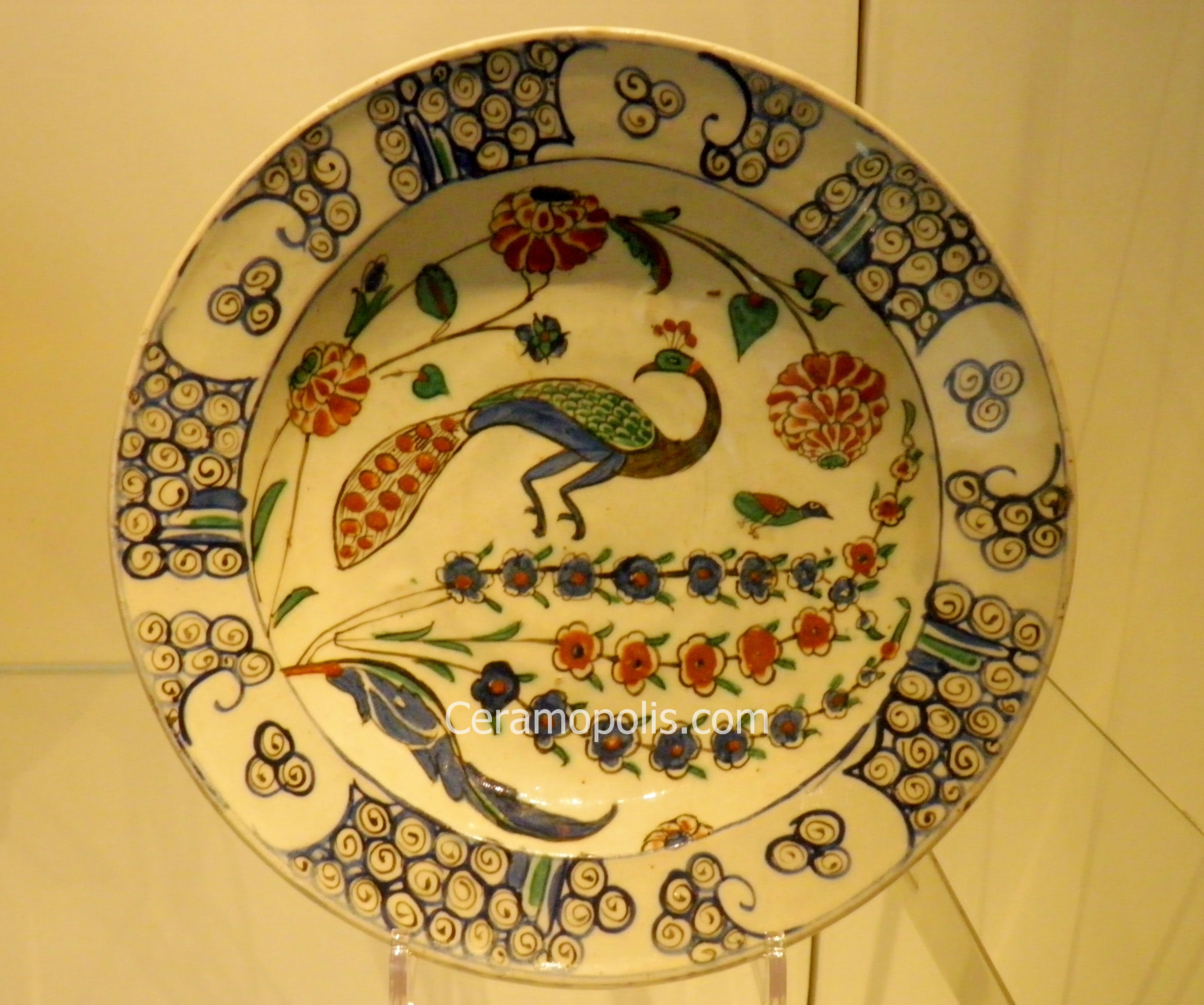
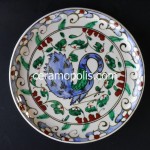
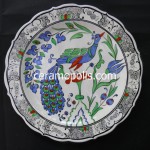
Animals are first depicted on Iznik fritware in 1520s and 1530s with the finest creatures to be those on the Sunnet Odasi tiles.They rarely occur in the 1540s and 1550s with the exception of a peacock dish in the Louvre Museum and a unique two handled flask with chasing animals, that both represent the two major trends of later animal wares (IZNIK, The pottery of Ottoman Turkey, Arthur Lane 1989). The beautiful plate in the photo from the Islamic Museum in Malaysia is an example from near 1575.
With Respect, Φιλικά,
Yiannos
Dear friends,
We have initiated an effort to collect material from the factory of ICARO RODI and IKAROS RHODES and save its history. Your valuable assistance is more than welcome and in fact is a must in order to be able and proceed, as we need:
• Personal stories of people that used to work in the factory (names, dates, interviews we can have, etc)
• Photographs (during working time, houses decorated with ICARO, personal photos to support stories from the workers - may be yourself, your grandmother or grandfather, someone from your family, we do want to have him/her in our book)
• Anything else that can assist our research
We hope that this effort can be a really interesting article and we want to include you or your family in it.
Please contact with as through [email protected]
———————————-Italiano———————————————————————————-
Carissimi amici,
Siamo al inizio di una impresa di trovare materiale in riguardo con dei Stabilimenti Ceramiche di “ ICARO RODI” sia che “ ICARO RODOS” . Abbiamo bisogno del vostro prezioso aiuto per trovare
· Storie dei personagi che abbiano lavorato nei stabilimenti con magari nomi e date.
· Fotografie del personale in fabrica durante il lavoro al riposo etc.
· Qualsiasi che possa autare alla nostra ricerca
Speriamo che questo tentativo finira in un interessante articolo quale ci piacerebbe che essistesse anche la vostra storia.
Per contatto con noi al [email protected]
———————————-Ελληνικά———————————————————————————-
Αγαπητοί φίλοι,
Ξεκινήσαμε μια προσπάθεια να μαζέψουμε υλικό σχετικό με τα κεραμικά του εργοστασίου ICARO RODI και ΙΚΑΡΟΣ ΡΟΔΟΣ, καθώς η ιστορία του χάνεται με τον χρόνο. Η πολύτιμη βοήθειά σας είναι αναγκαία για να μπορέσουμε να συνεχίσουμε καθώς χρειαζόμαστε:
• Πρόσωπα και ιστορίες αυτών που δούλεψαν στο εργοστάσιο (ονόματα, συνεντεύξεις, ημερομηνίες, ό,τι άλλο)
• Φωτογραφίες αυτών (στο εργοστάσιο, σε ώρα εργασίας ή προσωπικές)
• Οτιδήποτε άλλο μπορεί να βοηθήσει την έρευνά μας
Η προσπάθεια αυτή ελπίζουμε να καταλήξει σύντομα σε ένα ενδιαφέρον άρθρο και θα θέλαμε να αναφέρει και την δική σας ιστορία.
Παρακαλώ επικοινωνήστε μαζί μας στο [email protected]
With Respect, Φιλικά,
Yiannos
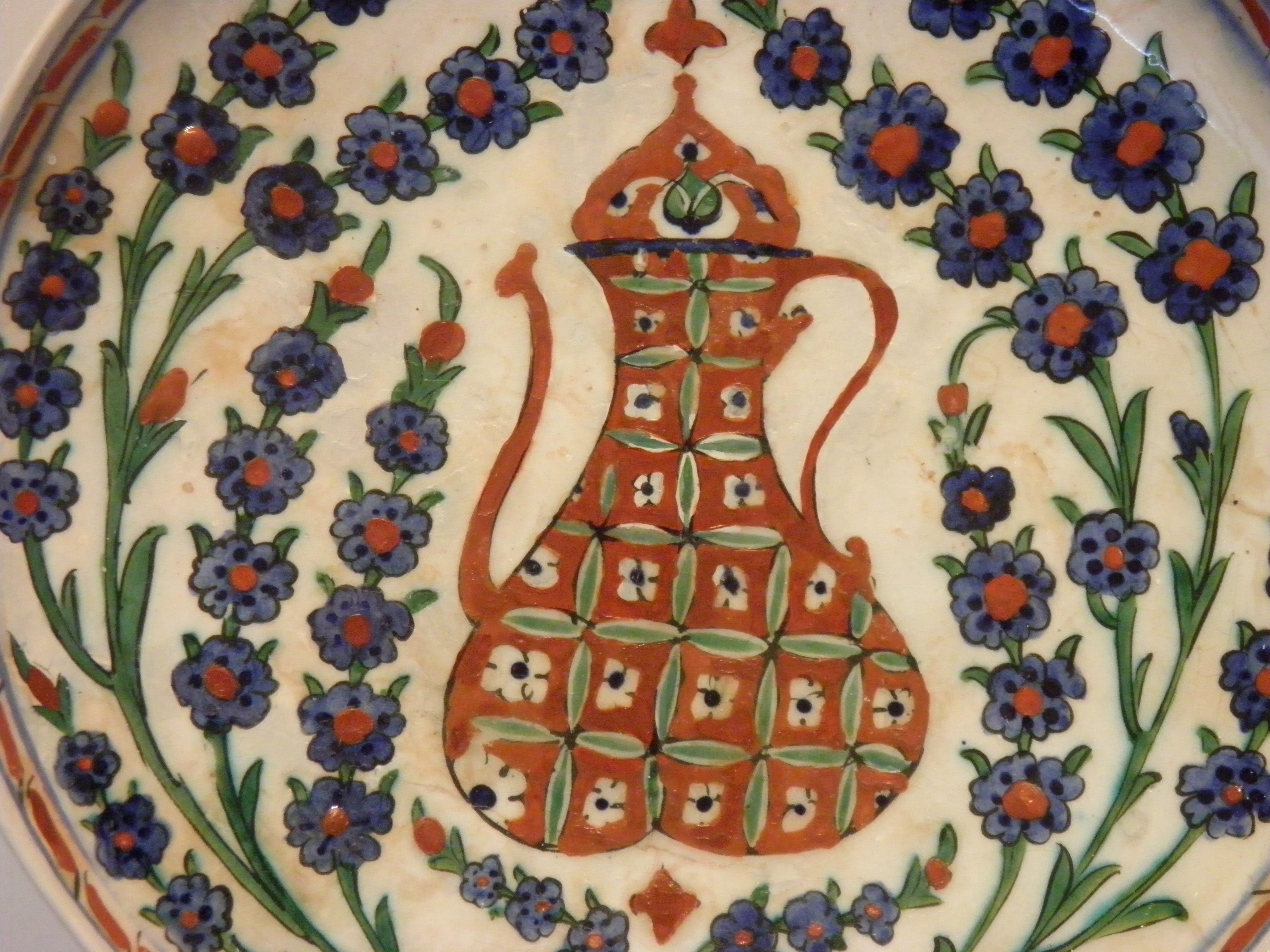
Beautiful Iznik plate around 1585 with an Ibrik motif in red, blue and green colors - Kuala Lumpur National Museum Collection.
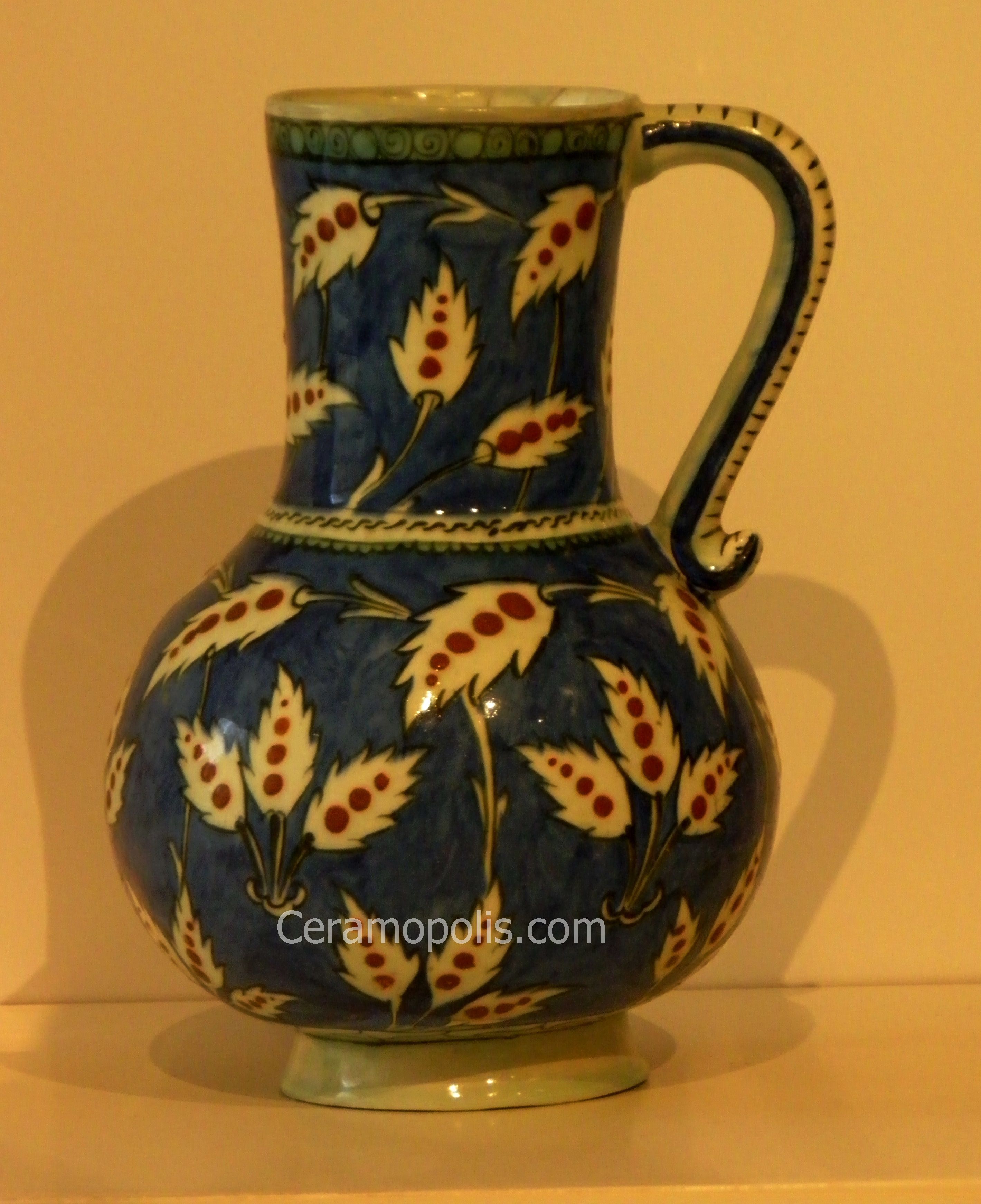
The most significant aesthetic change post 1550 was the introduction of the red as an underglaze color. In parallel, this was a technical triumph, as red is one of the most intractable underglaze colors in pottery.
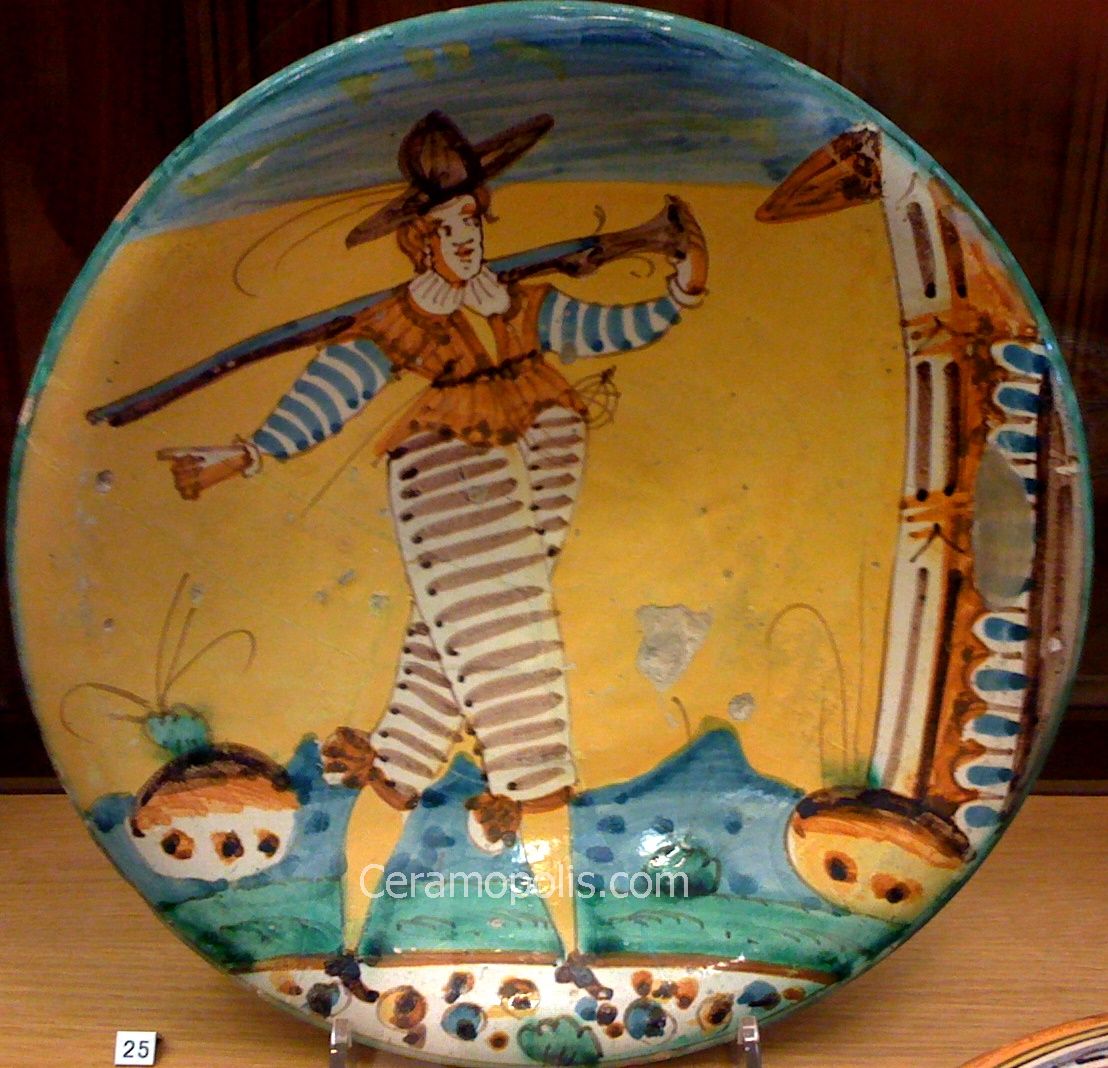
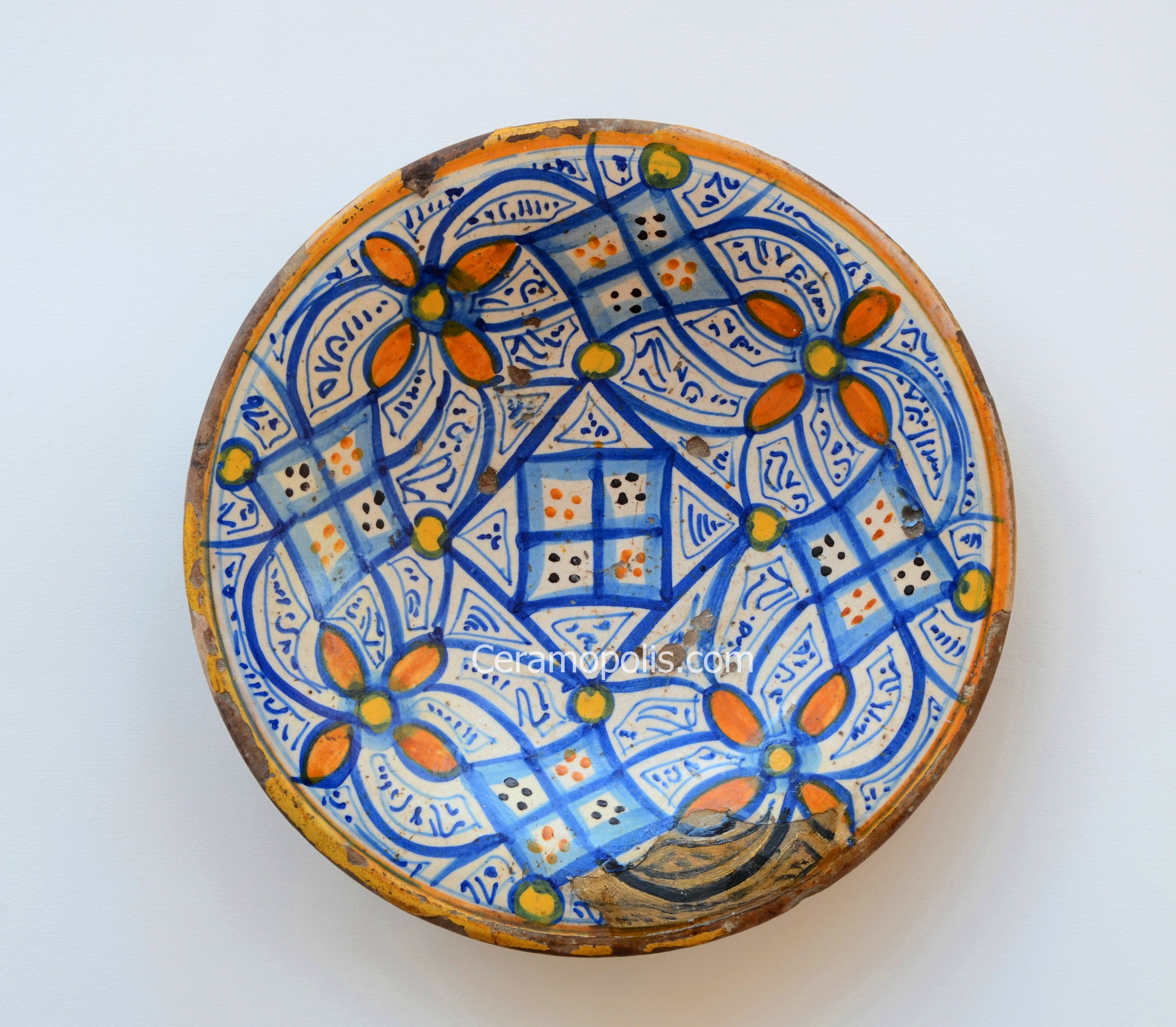
Maiolica flat plate, tin-glazed, made in Montelupo , Italy (d 21,7 cm, early 17th century). The arabesque style decoration shows the strong influence of the Moorish-Hispano art on Montelupo’s pottery designs. Three spots in the centre were caused by the tripod stilts used for stacking plates during firing. Montelupo is situated in the heart of Tuscany , between Florence and Empoli, and has been an important centre for manufacturing ceramics since medieval times. Its success can be credited to the natural abundance of clay in the surrounding area, primarily due to frequent flooding of the Arno River , and second, the role Florentine merchants historically played in trading Montelupo’s maiolica, or hand-painted terra-cotta, throughout Europe during the Renaissance ( private collection Athens, Greece).
Piatto in Maiolica Montelupo, XVII secolo (Coll. Privata, Atene, Grecia).
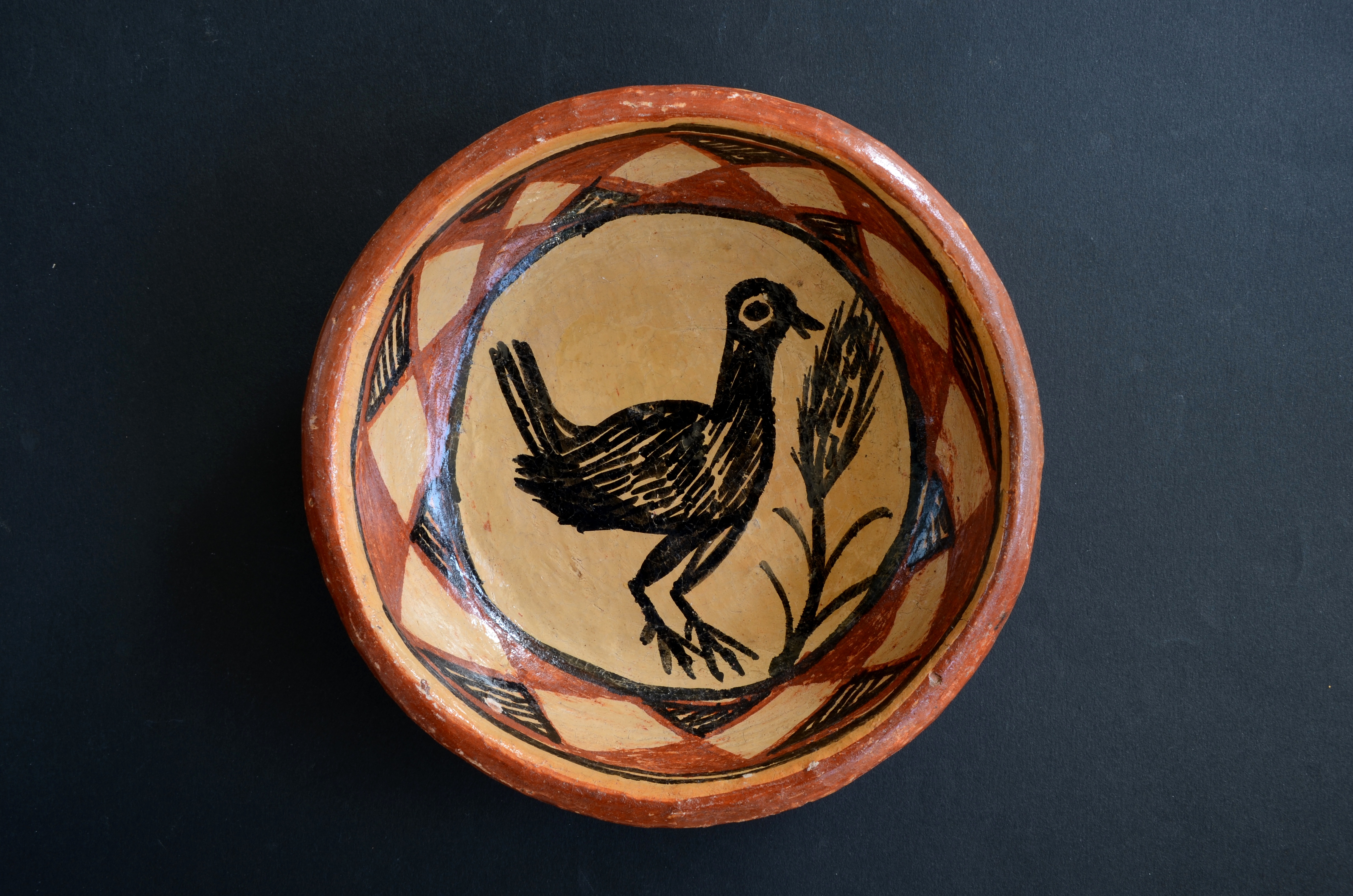
Tunisian ceramic bowl from Sejnane (d 17,5 cm, XX century). 130km North-West of Tunis, the village of Sejnane sits on a green plain of hedgerows and villages. For centuries, women in Sejnane have been making pottery. It is a skill that has been passed on for generations from mother to daughter. The techniques used to create pottery made here date back thousands of years. The clay is shaped by hand, then decorated with traditional motifs. The items are baked on open fires in the yards of the houses. The decorative patterns on the vessels all have symbolic meanings. The stylized triangles on this bowl symbolize fertility (private collection, Athens, Greece).
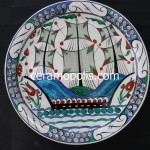
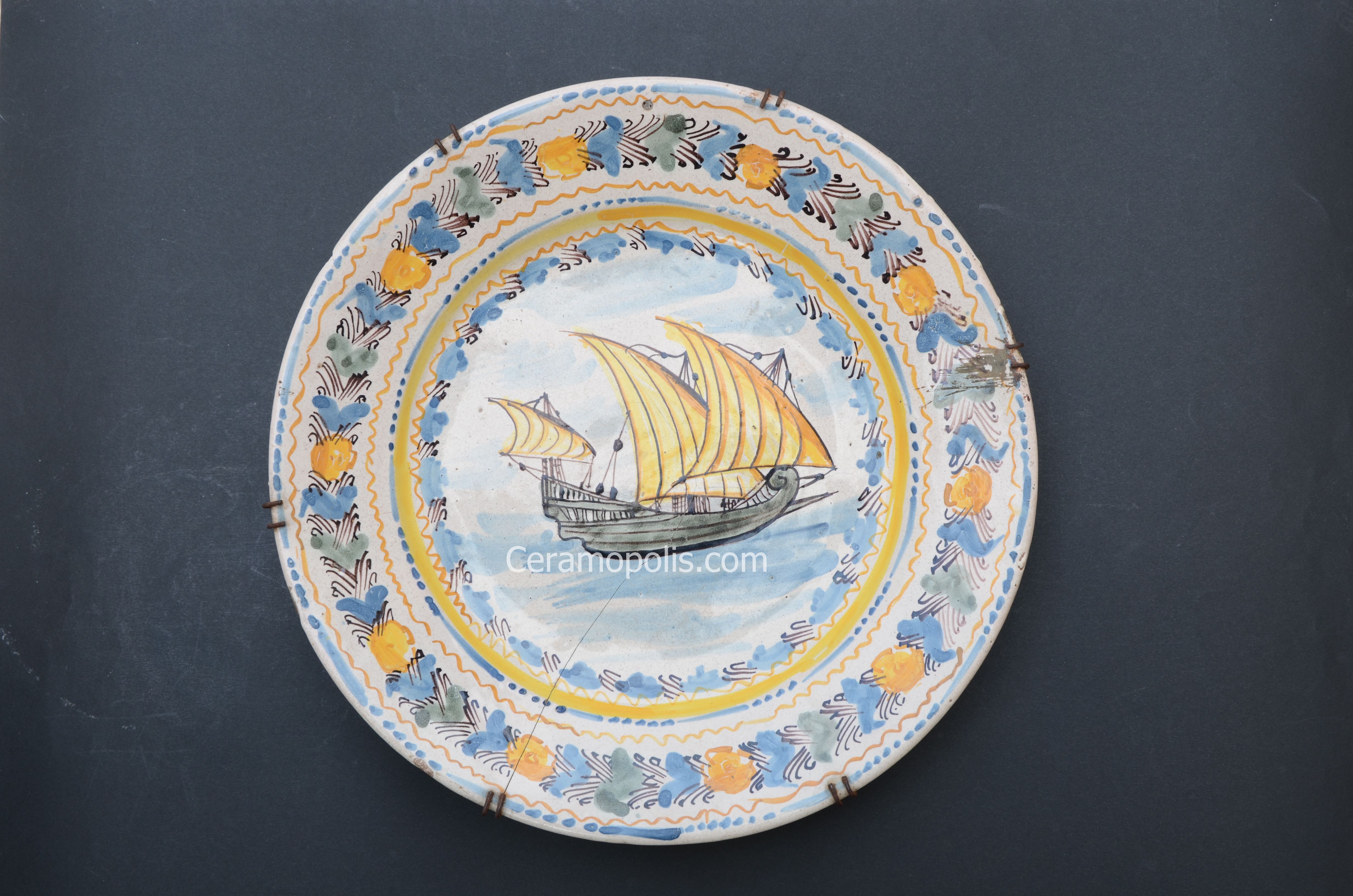
Piatto con vascello caravella. Fabbriche napoletane, sec. XVIII, (Coll. Privata, Atene).
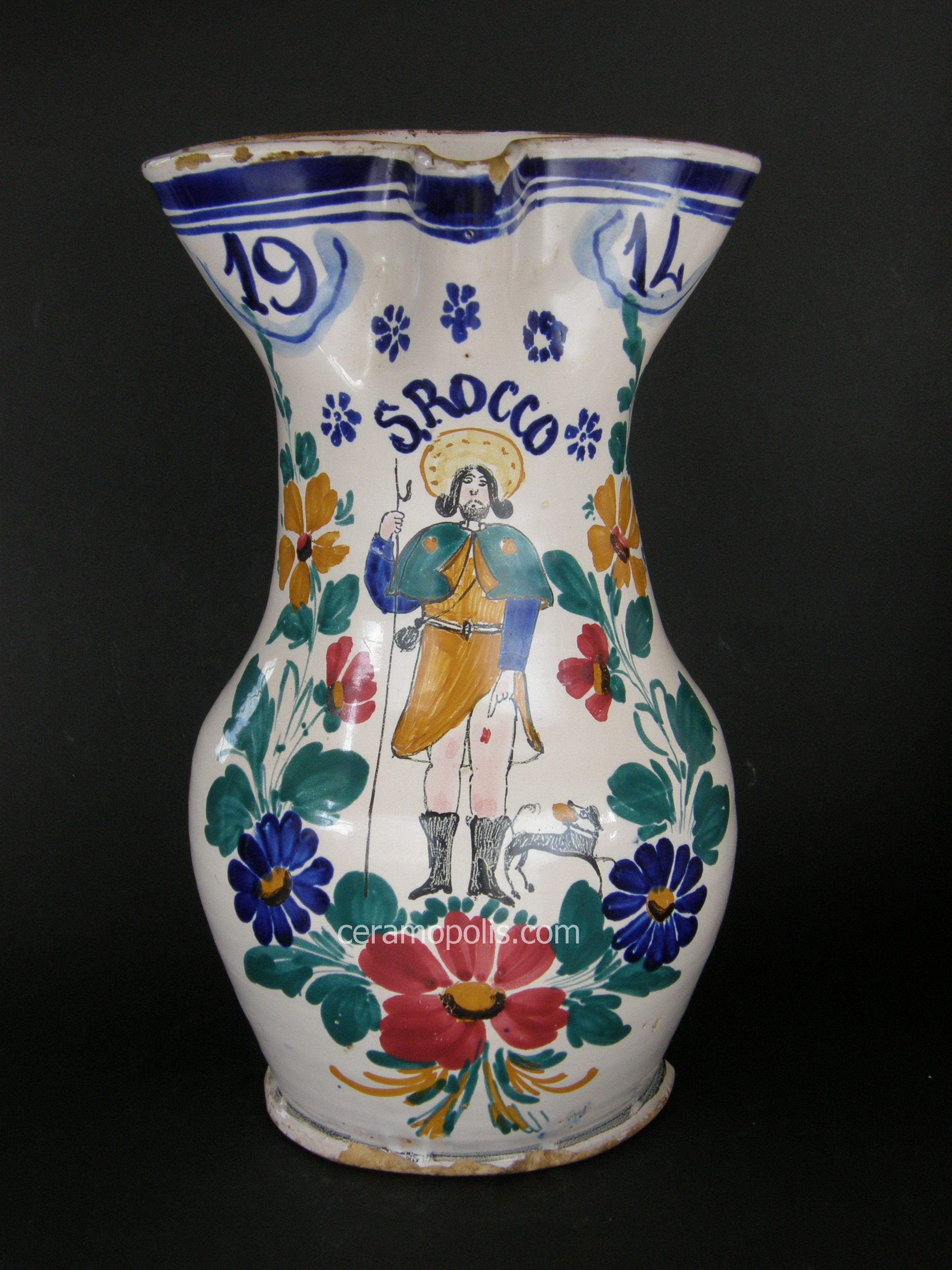
Boccale in ceramica con effigie di S. Rocco, Rapino (Coll. Privata, Atene).
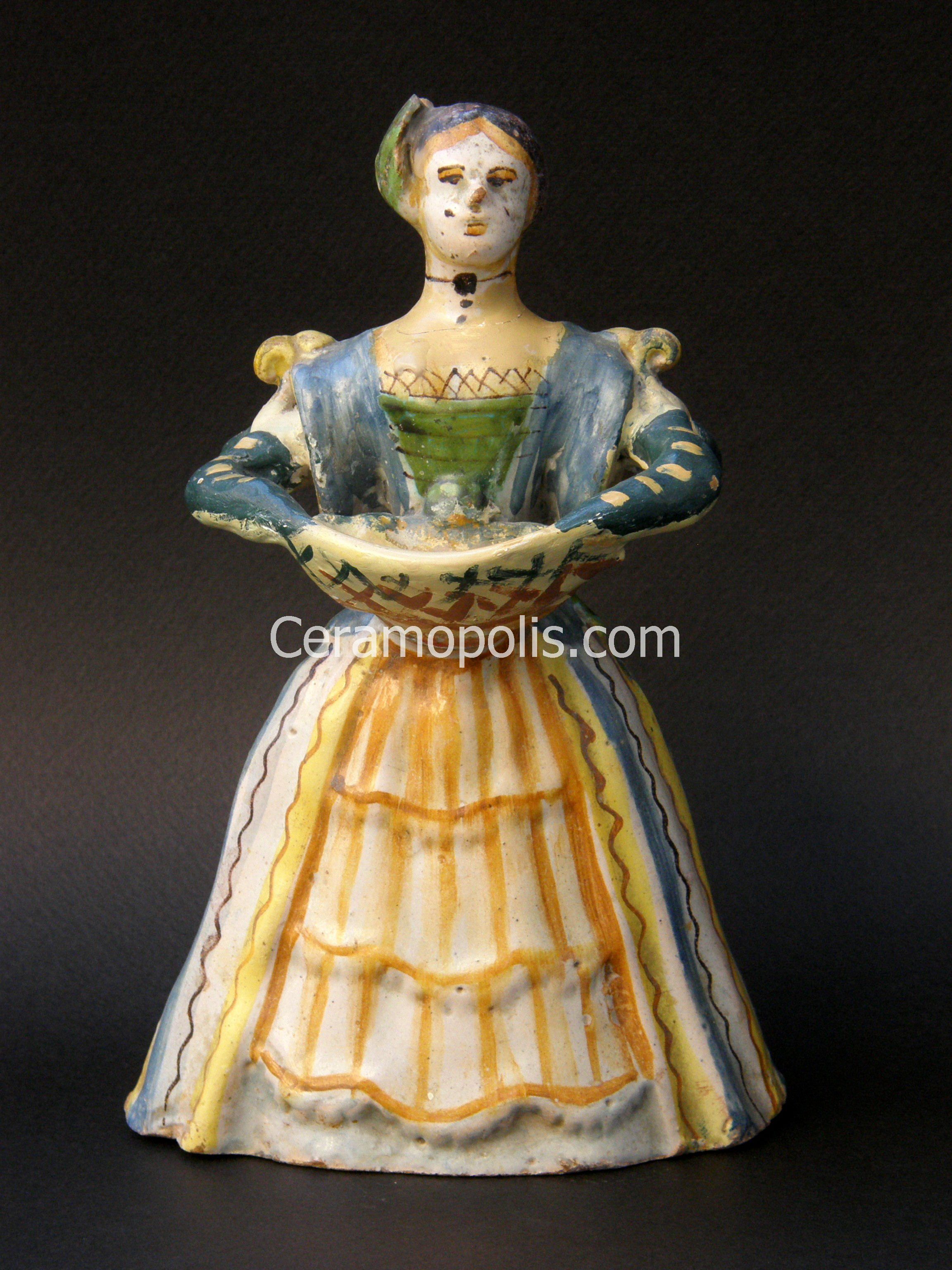
Saliera con figura femminile, Napoli (fabbriche di Ariano ?), fine sec. XVIII (Coll. Privata, Atene).
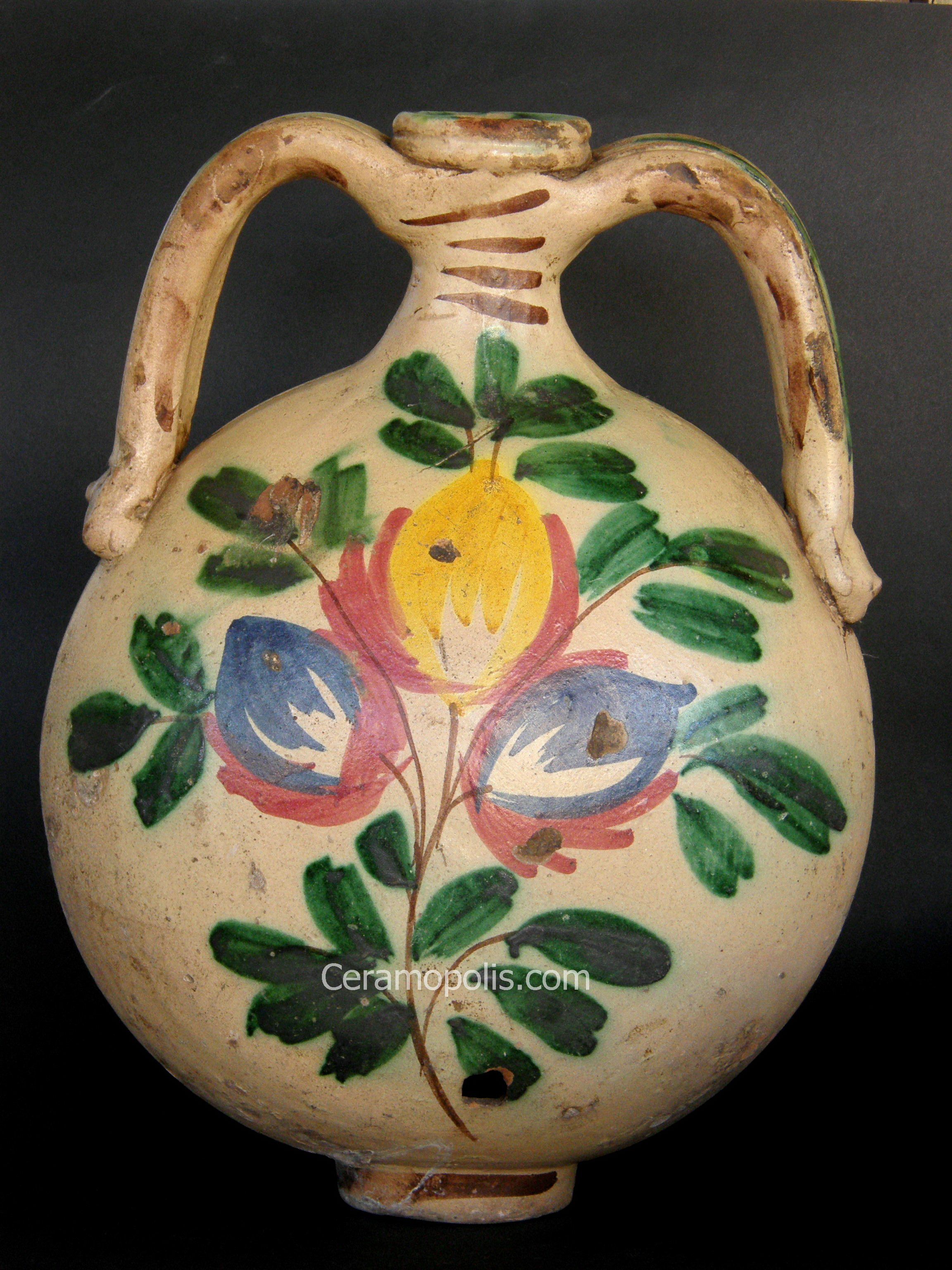
Grande fiasca in ceramica decorato con tre tulipani, datata 1908, alt. 35 cm. Oggetto della tradizione popolare Caltagirone (Coll. Privata, Atene).
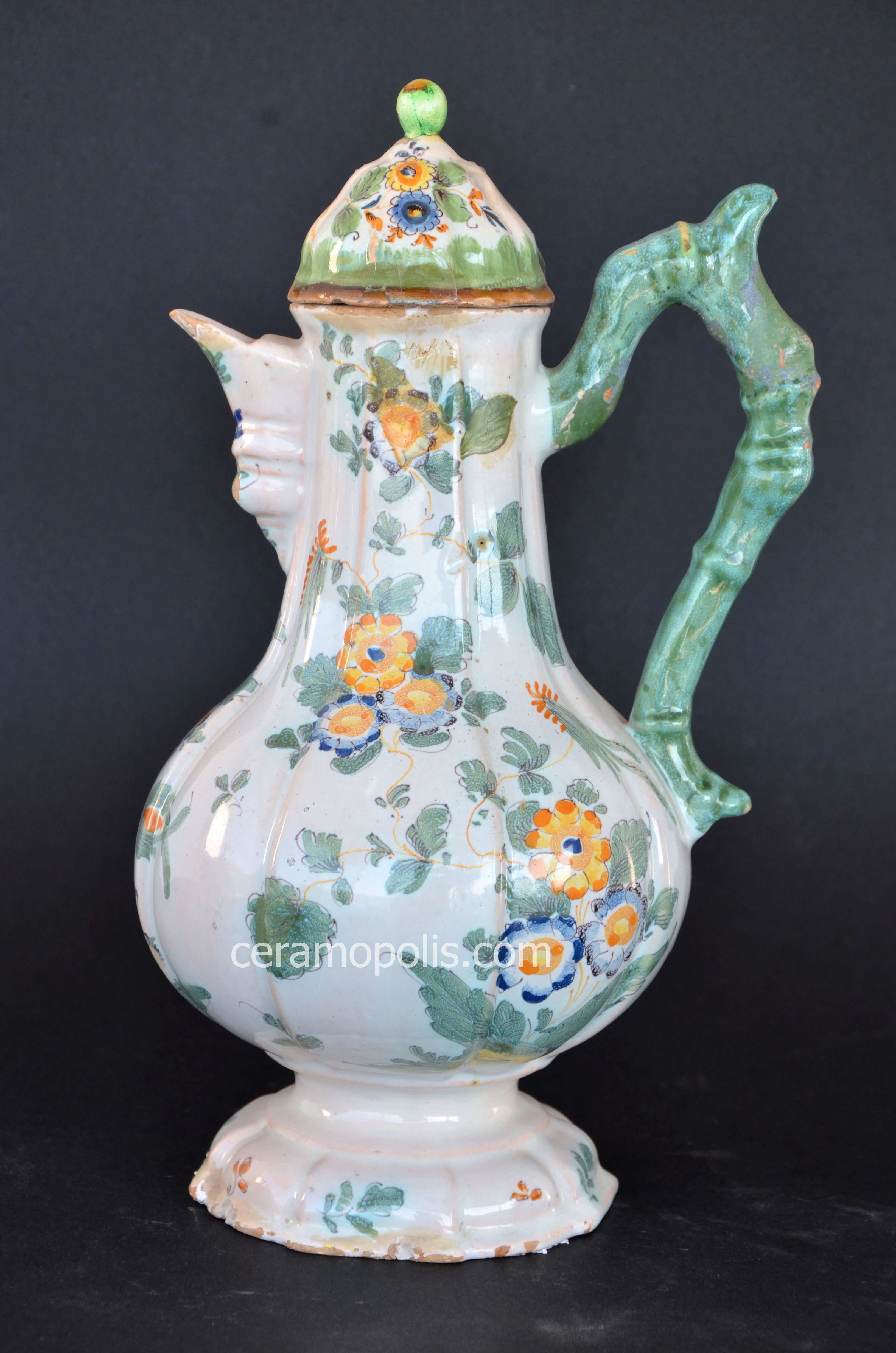
Caffettiera . Di forma aggraziata. L’ ornato alla margherita e particolarmente accurato. Pesaro, seconda meta del XVIII sec. Coll. Privata, Atene
Zuppiera in ceramica di Cerreto Sannita, datata 1737,Coll. Privata, Atene
Read more about the famous giraffe Zarafa which became France’s darling in our New page “Pottery Stories”.
Kouza, water jug from the mountain villages of Cyprus (Phini, Ayios Dimitrios and Kaminaria). In previous years the transportation of water from the fountain to the home was a daily task carried out with the aid of these large jugs, generally containing over 10 litres of water. Made of red clay with an archaic form, kouza (κούζα) is the most characteristic water jug in Cyprus (mid 20th century, private collection Athens Greece).
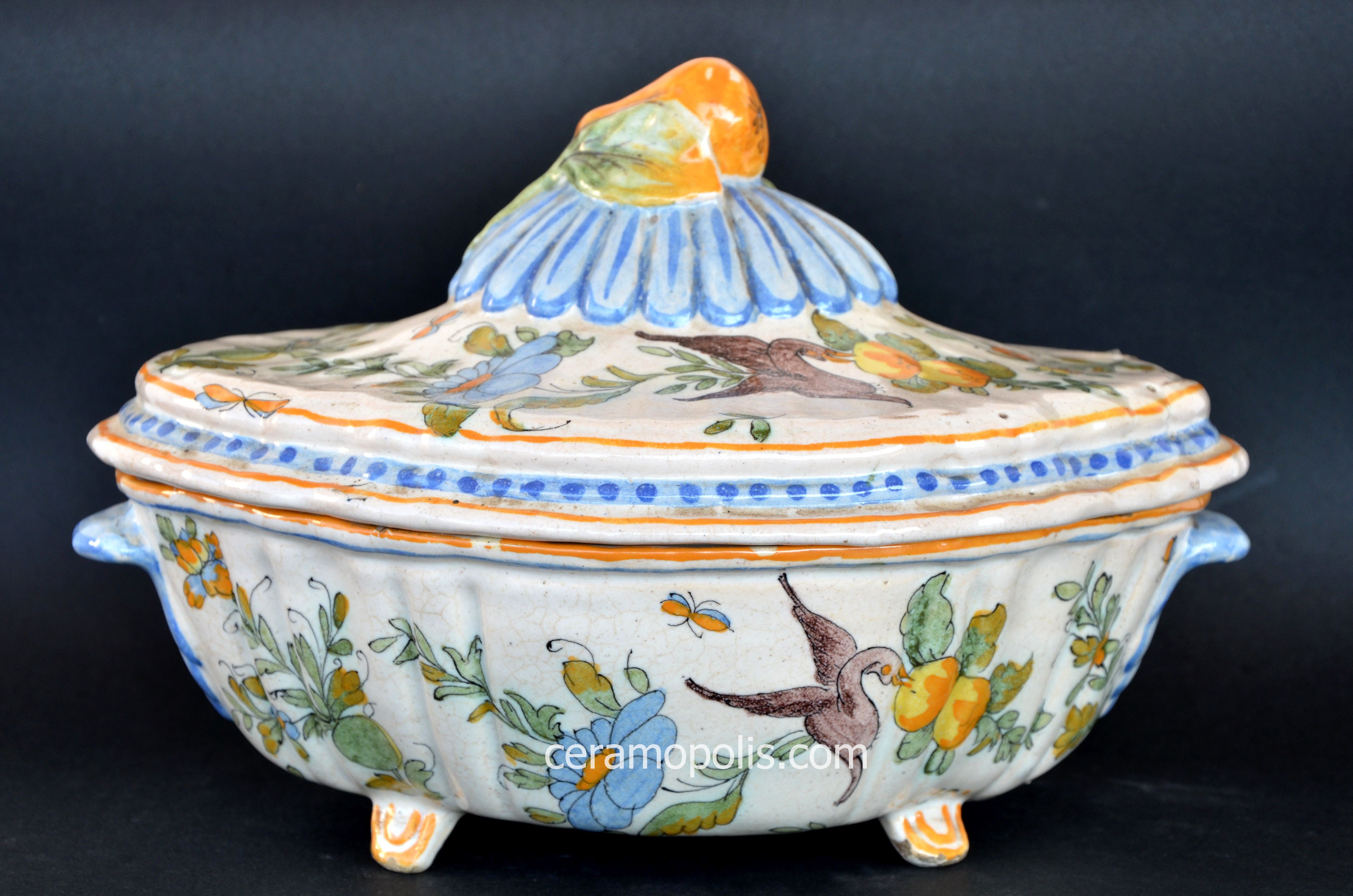
A NEW PAGE WITH ‘FRENCH CERAMICS’ FROM Mid 16th to 19th CENTURY IS ON AIR WITH 60 UNIQUE ITEMS – FOLLOW US & ENJOY THIS UNIQUE & RARE PART OF THE FRENCH POTTERY
And please do not forget that we LIKE you to LIKE us on Facebook
Please check under the “Islamic-Ottoman” category
Read the article on our ‘ceramopolis.com’ Page on facebook
Best Regards
Visit out ‘Ceramopolis.com Page on Facebook’ and follow ceramic news from all over the world.
Also check the ‘MuseumPolis Page on facebook’ and celebrate art through daily posts from more than 300 Museums & Art web sites.
“Like” us is the vitamin to continue this effort, creating a community for ceramic art, pottery and folk history of our own culture.
Sincerely Yours D&Y
A NEW PAGE WITH ‘GREEK COMMEMORATIVE’ FAIENCES FROM 19th & 20th CENTURY IS ON AIR WITH 40 UNIQUE ITEMS – FOLLOW US & ENJOY A UNIQUE PIECE OF THE GREEK HISTORY
Please check under page “Greece”
THE NEW ‘GREEK COMMEMORATIVE’ CERAMICS FROM 19th & 20th CENTURY WILL BE ON AIR THIS WEEKEND WITH 40 UNIQUE ITEMS – FOLLOW US & ENJOY A PIECE OF THE GREEK HISTORY
Borraccia (scaldino) a foggia di libro. Fabbriche di Ariano o Cerreto Sanita, sec. XVII-XIX. Coll.privata Atene.
THE NEW ‘ITALY – POST 1600′ POTTERY PAGE IS ON AIR WITH 80 UNIQUE ITEMS – ENJOY THEIR FOLK ELEGANCE & BEAUTY
Tazza da brodo decorata con la Madonna di Loreto. Faenza o Marche, seconda meta del XVIII sec. Coll. Privata, Atene.
Φλιτζάνι με απεικόνιση της Παναγίας του Λορέτο (Ιταλία, δεύτερο μισό του 18ου αι., πιθανόν από εργαστήριο της Φαένζα ή της περιοχής Μαρσέ). Το Λορέτο βρίσκεται στην επαρχία της Ανκόνα και αποτελεί σημαντικό προσκύνημα για τους καθολικούς λόγω της ύπαρξης του Ιερού Σπιτιού όπου γεννήθηκε και μεγάλωσε ο Ιησούς και το οποίο μεταφέρθηκε τμηματικά στην Ιταλία από τους Άγιους Τόπους κατά τη διάρκεια των Σταυροφοριών. Στο κέντρο του φλιτζανιού απεικονίζεται το άγαλμα της Παναγίας του Λορέτο με τον Ιησού μπροστά από το Ιερό Σπίτι. Ιδιωτική συλλογή, Αθήνα
THE NEW GREEK POTTERY PAGE IS ON AIR WITH MORE THAN 70 UNIQUE ITEMS – ENJOY THEIR FOLK ELEGANCE & BEAUTY.
Brocca (srulu) di Grottaglie decorate a stelle e con il gallo, simbolo della maiolica grottagliese. La brocca e databile seconda meta’ dell’ 800. Altezza 32 cm. Coll. Privata, Atene.
THE NEW CANAKKALE PAGE (YOU CAN FIND IT UNDER THE ISLAMIC CERAMICS PAGE) IS ON AIR WITH MORE THAN 70 UNIQUE ITEMS - ENJOY THEIR WILD BEAUTY.